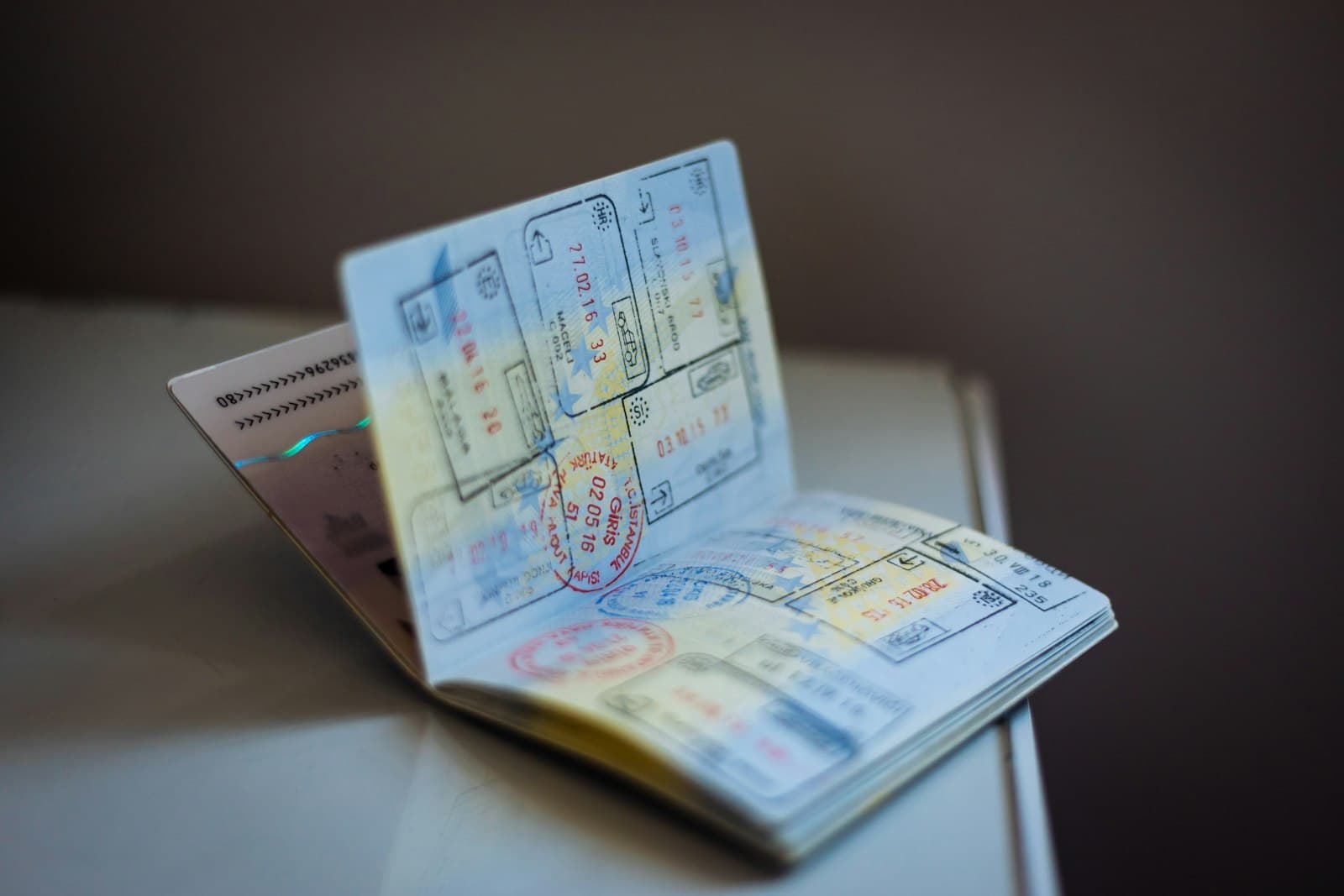
Keep the first days manageable: secure your essentials, follow your sponsor’s residency instructions and explore housing without rushing into a contract.
On arrival day, secure the essentials
Save your entry record and confirm accommodation access and contacts
Keep a copy of your entry record, confirm how to enter your accommodation and save its address and contact details. Have the sponsor or employer contact, airport-transfer details and emergency contacts easy to find.
Keep your passport and entry permit/eVisa accessible. Your sponsor may need them for a medical appointment or another residency application step.
Get a working phone number before resident paperwork is complete
Ask du or e& about a visitor SIM that can be opened with your passport
At the airport or another carrier channel, ask what visitor line is currently available with a passport. Before leaving, note the number, account holder, price, account details and the conditions for changing to a resident plan. Availability and requirements can change by product and provider.
Start residency steps when your sponsor confirms you are ready
Attend the medical fitness appointment and biometric step as instructed
Confirm the approved centre, required documents, who pays and how results are delivered with your sponsor. Medical fitness testing includes blood testing; whether a chest X-ray applies in Dubai depends on the current screening rules and your category, so verify before attending. Complete fingerprint or other identity registration when instructed.
Use waiting time to explore, but keep major choices flexible
Visit communities and shortlist schools before locking in a home
For each school, check age and grade fit, application window, availability, documents, tuition and mandatory charges, plus the realistic journey from a possible home. Compare homes by commute and school run, bedroom count, rent and move-in conditions. If you have time, visit a few communities on different days rather than choosing from one quick tour.
Consider how you will get around before deciding whether to buy a car
Dubai is very car-oriented, and daily mobility can make it easier to enjoy a new city. Taxis are relatively affordable compared with many countries, but repeatedly booking one can make spontaneous trips feel like work. Learn the driving-licence steps in a separate guide, then compare renting a car with buying one. Japanese cars and Mercedes models often have a reputation for resale value, but resale depends on the exact model, condition and market; check current comparable listings before you buy.