Five projects. Two decades of ambition. The palms, the world map and the waterfront city that promised to redraw Dubai.
Look at Dubai from above and its ambition becomes visible. A palm stretches into the Gulf. Farther offshore, a collection of islands traces the continents. These were not simply new buildings. They were proposals to change the shape of the city itself.
The idea was powerful: create more waterfront, then turn it into places to live, stay and visit. Nakheel was central to that vision. But the projects did not move forward together. Palm Jumeirah became a functioning neighbourhood. Others slowed, changed shape or waited for another development cycle.
Now the story has a new chapter. Palm Jebel Ali has a new masterplan and active construction. Deira's island project has become Dubai Islands. Yet the original Dubai Waterfront vision is not the same thing as either. To understand the comeback, we need to rewind.
Five projects, one coastline
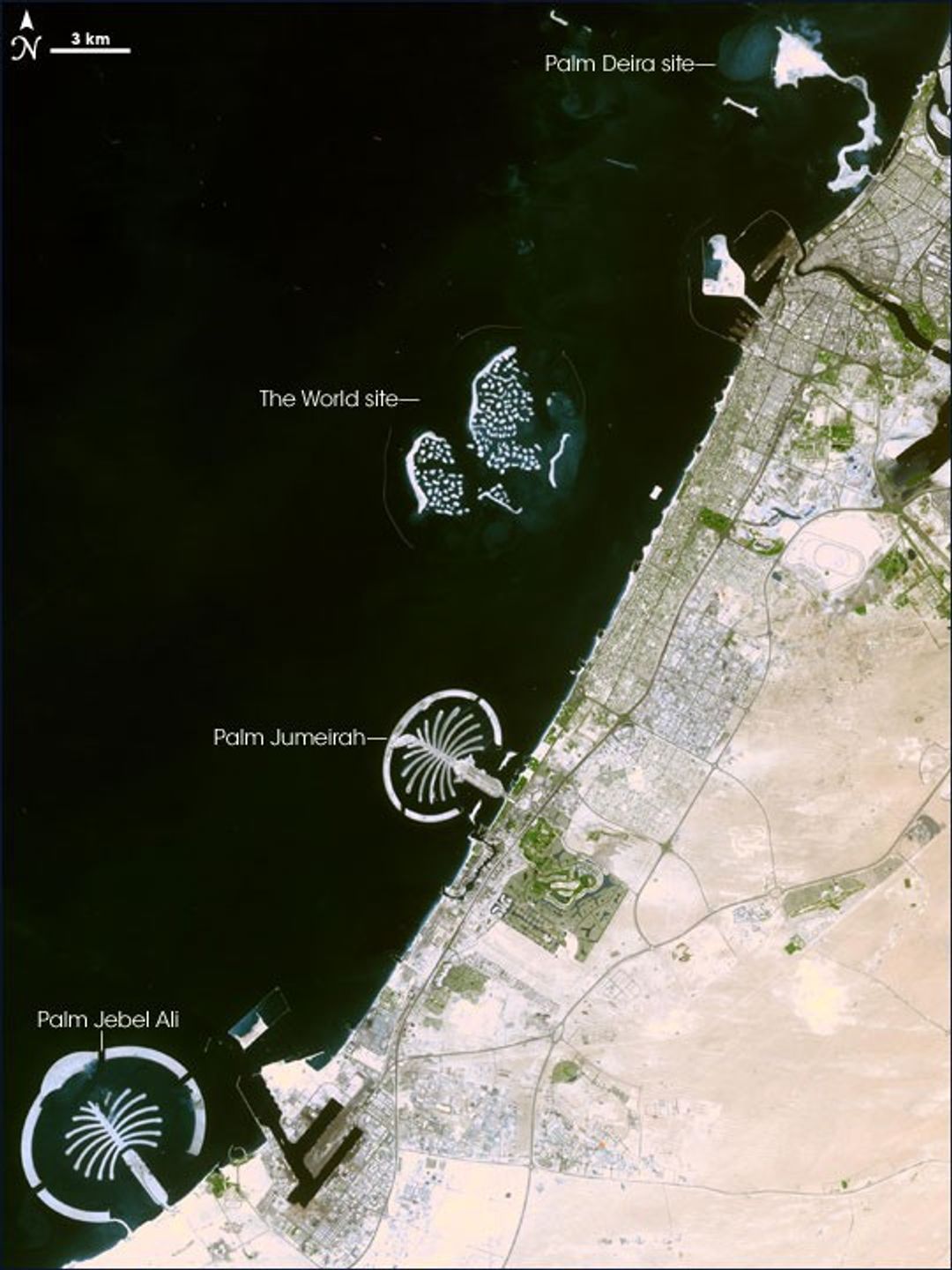
Palm Jebel Ali and Dubai Waterfront sit toward the southwestern end of this story. Palm Jumeirah is closer to Dubai Marina, The World lies offshore from the Jumeirah coastline, and Dubai Islands faces Deira. They are not five neighbouring stops on one island road. Their relationship is easier to understand along the coast than through a list of similar names.
From the first palm to a second act
Palm Jumeirah launches. Nakheel dates the beginning of its flagship destination to this year. The palm becomes the enduring symbol of the island-building era.
The ambition expands. Palm Jebel Ali, The World and Palm Deira join the wider story of creating new land offshore. Different shapes serve different development ideas.
Waterfront City is presented. OMA's proposal adds an urban centre to the broader Waterfront vision. It is an architectural plan, not evidence of a completed city.
The financial crisis changes the pace. Dubai Waterfront stalls amid the downturn and Dubai World's debt crisis. The original coastal expansion no longer proceeds as one uninterrupted wave.
Dubai Islands gets a new masterplan. Nakheel presents five islands totalling 17 square kilometres, marking another transformation of the former Deira project.
Palm Jebel Ali's new masterplan is approved. The announcement places the project within Dubai's next phase of urban expansion.
The comeback has construction behind it. Nakheel publishes villa and infrastructure progress for Palm Jebel Ali. The wider island remains a development in progress.
Timeline sources: Nakheel: Palm Jumeirah; OMA: Waterfront City; Waterfront historical overview; Dubai Islands announcement; 2023 approval; current construction updates.
Palm Jumeirah: the ambition people can visit
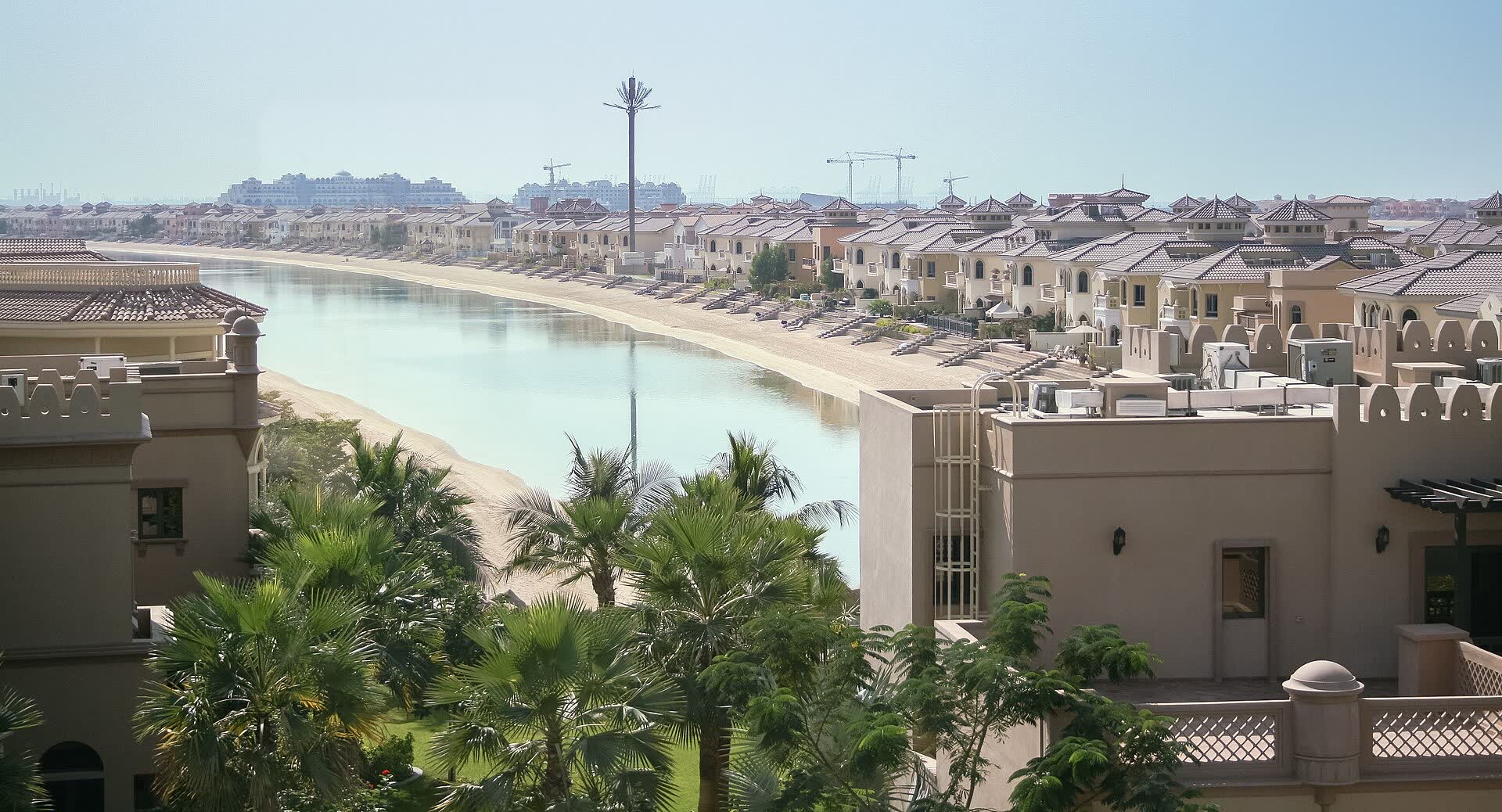
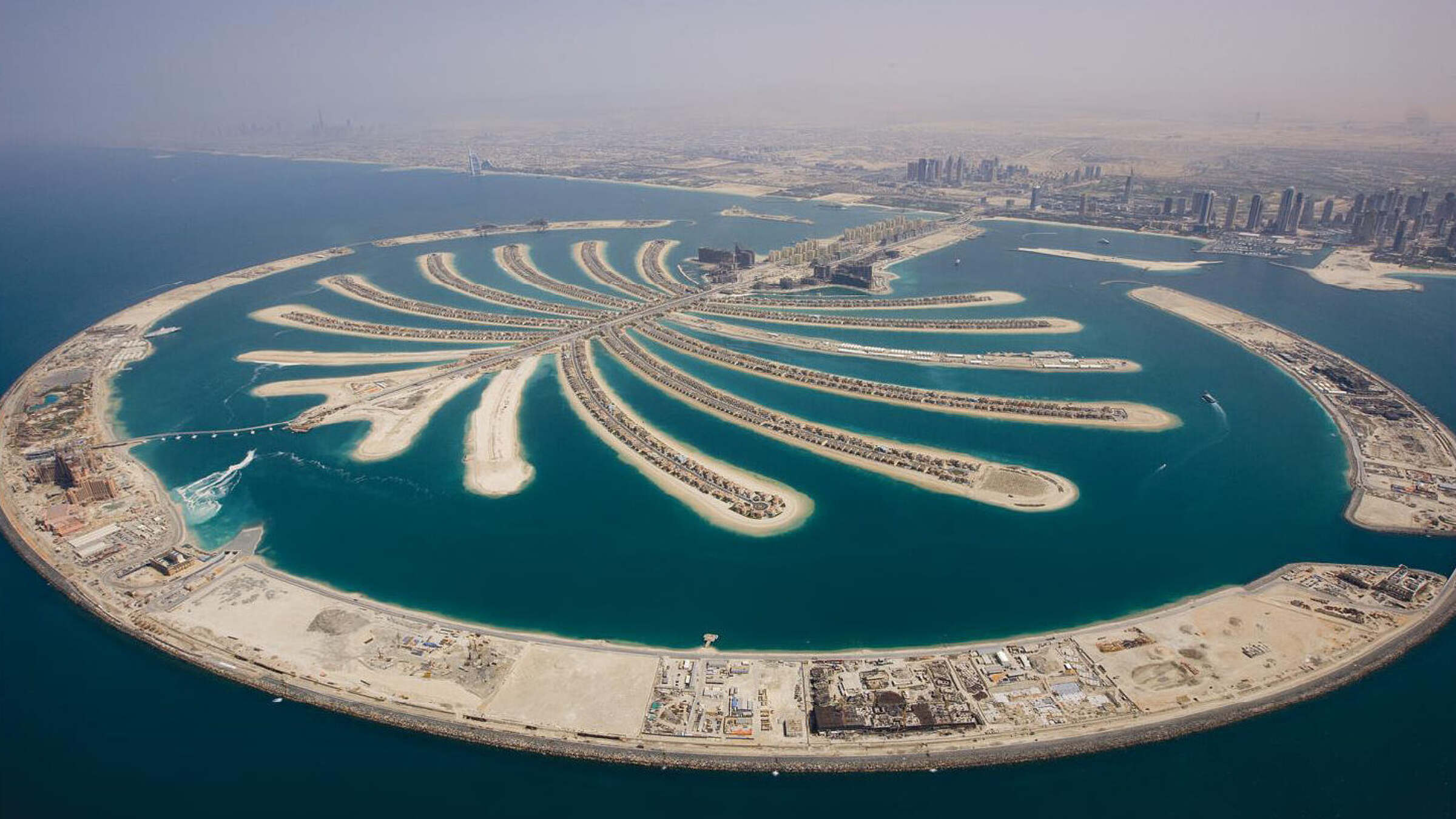
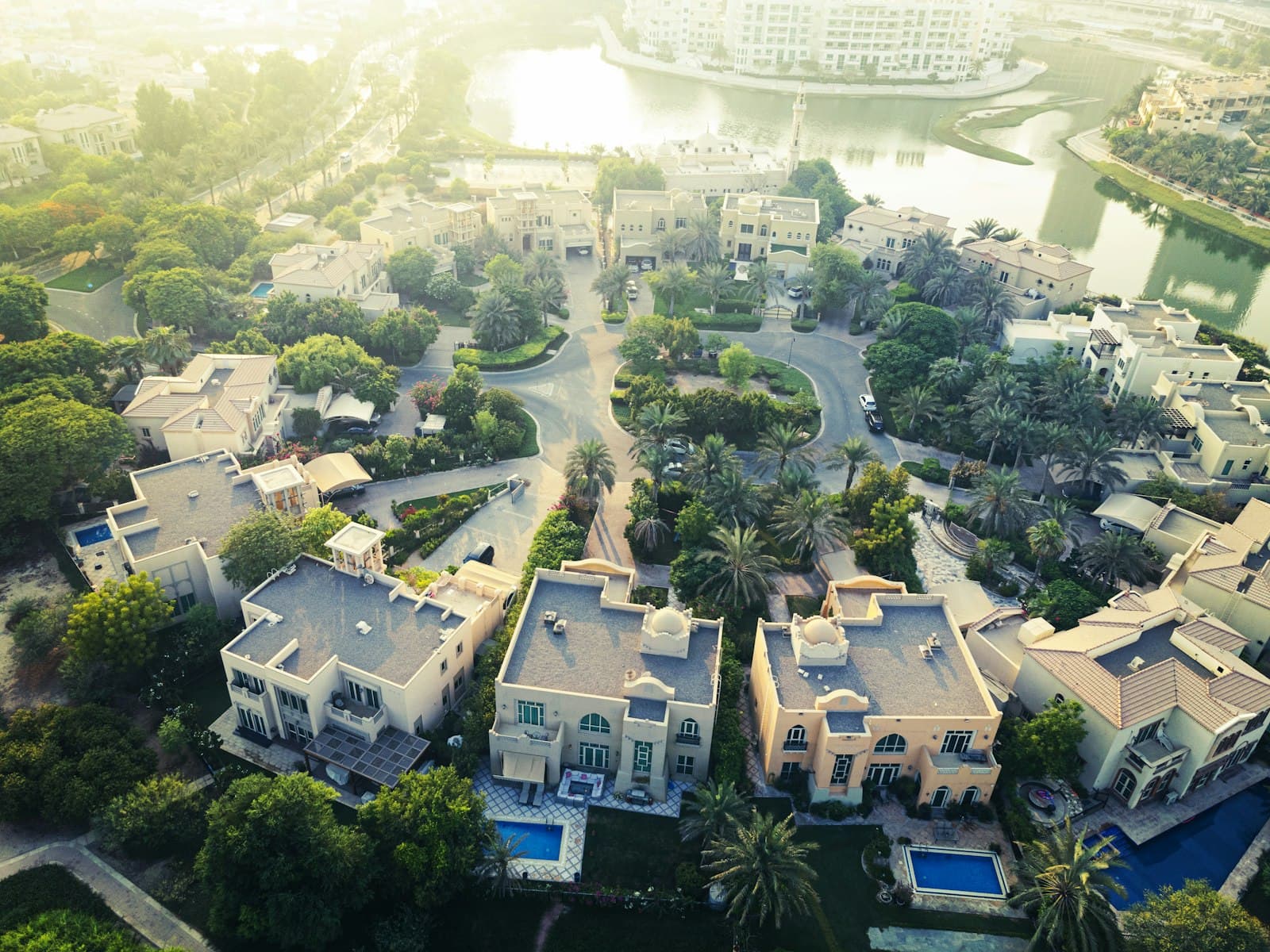
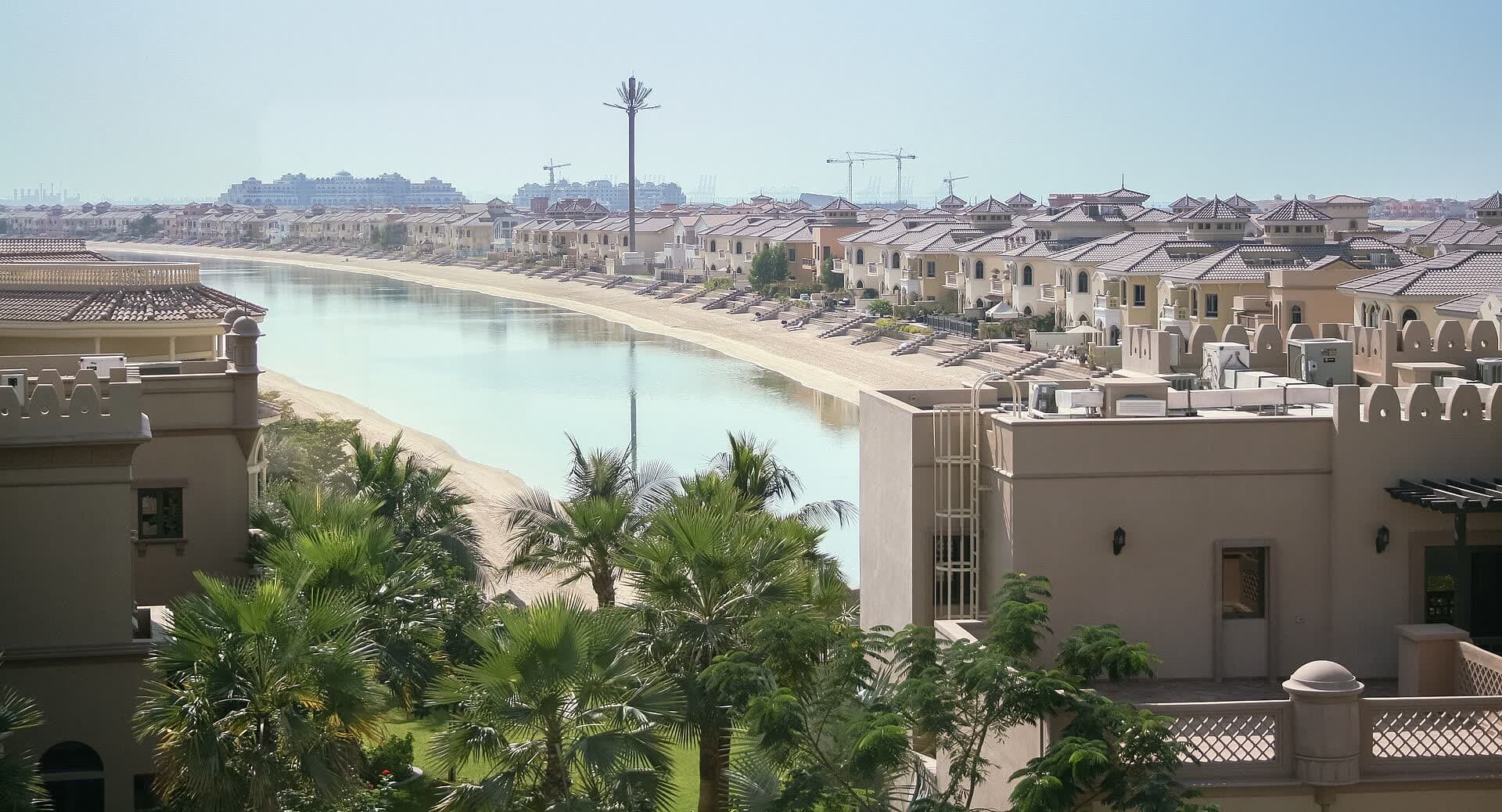
Palm Jumeirah is the clearest answer to the question of whether Dubai's artificial-island vision could become real urban life. Hotels, homes, restaurants and leisure destinations now give its outline an everyday purpose. It is no longer just an image on a sales brochure.
The shape explains the appeal. Branching fronds create waterfront frontage, while the trunk connects the island to the mainland. The crescent frames the development. Its success is not simply that the land exists: people have reasons to go there.
For a visitor, this is the accessible starting point of the story. The island's hotels and public-facing venues can be experienced without treating private residential streets as sightseeing attractions. Explore Nakheel’s Palm Jumeirah overview.
Palm Jebel Ali: the next chapter is being built
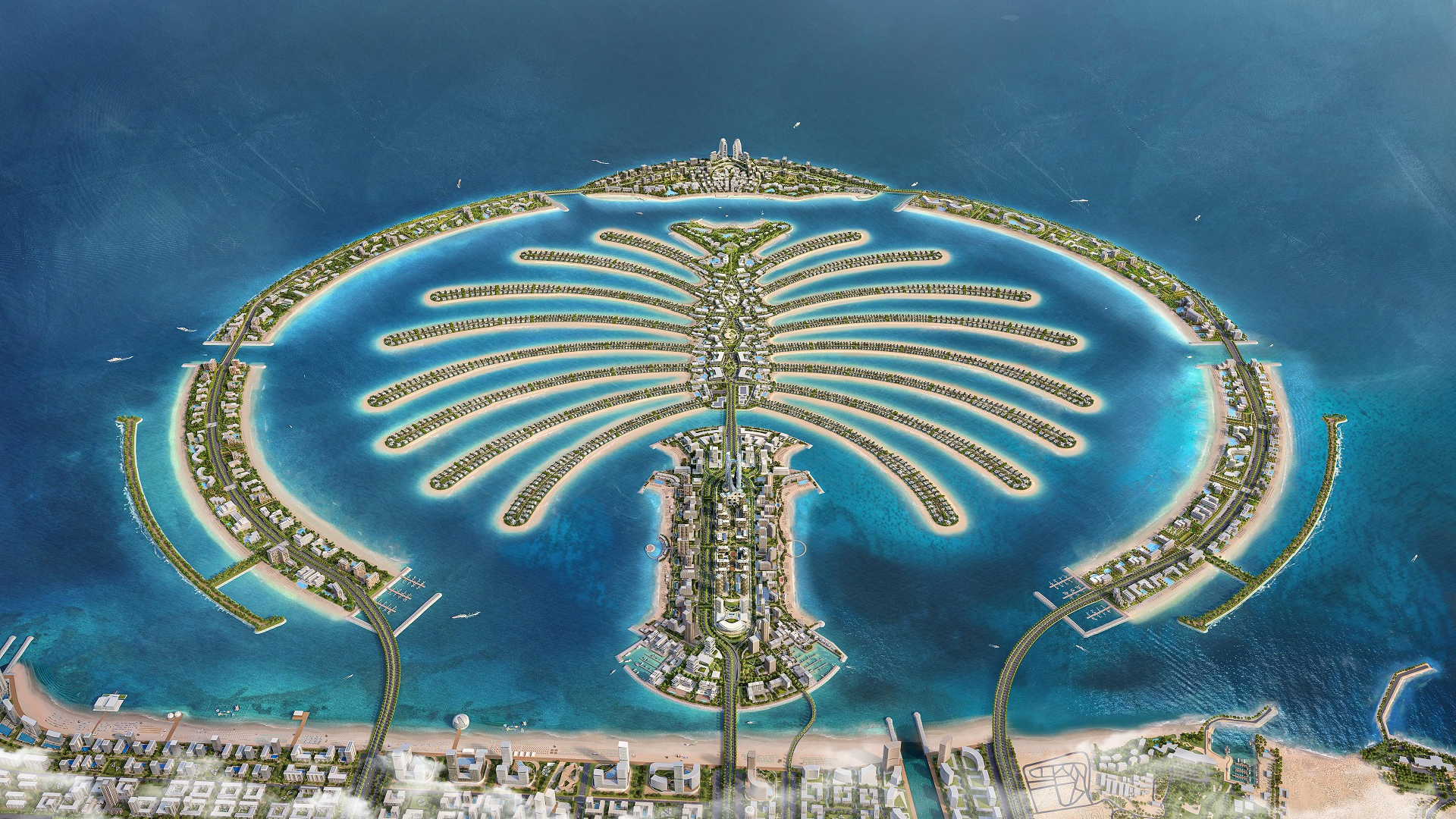
After years of delay, Palm Jebel Ali returned with a new masterplan approved on 31 May 2023. The announcement describes 13.4 square kilometres, approximately 110 kilometres of additional coastline and more than 80 planned hotels and resorts. Those are masterplan ambitions, not facilities already open.
What makes the present chapter different from an old rendering is construction. Nakheel's progress reporting documents work on villas and infrastructure. There is a real distinction between a relaunched vision and buildings taking shape; this project now has both.
The next milestones are the ones that turn a development into a neighbourhood: completed homes, working services and places residents actually use. Palm Jebel Ali is moving again, but it does not yet offer Palm Jumeirah's established visitor experience. Read the 2023 masterplan announcement and Nakheel’s construction updates.
Palm Deira became Dubai Islands

This is the project where remembering an old name can create the wrong picture. Palm Deira belonged to the era of giant palm-shaped visions. Deira Islands followed. In 2022, Nakheel introduced the Dubai Islands masterplan.
This was more than a new logo on the same drawing. The current plan describes five islands, with residential, hospitality and leisure uses. It gives the northern side of Dubai its own waterfront development story rather than simply repeating Palm Jumeirah.
Its identity is worth separating from the old palm silhouette. When looking at a project here, the relevant reference is the current island and development plan, not the most spectacular historical image found online. Nakheel’s 2022 announcement explains the five-island framework.
Dubai Waterfront: bigger than the palm beside it
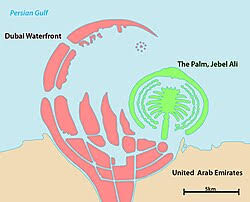

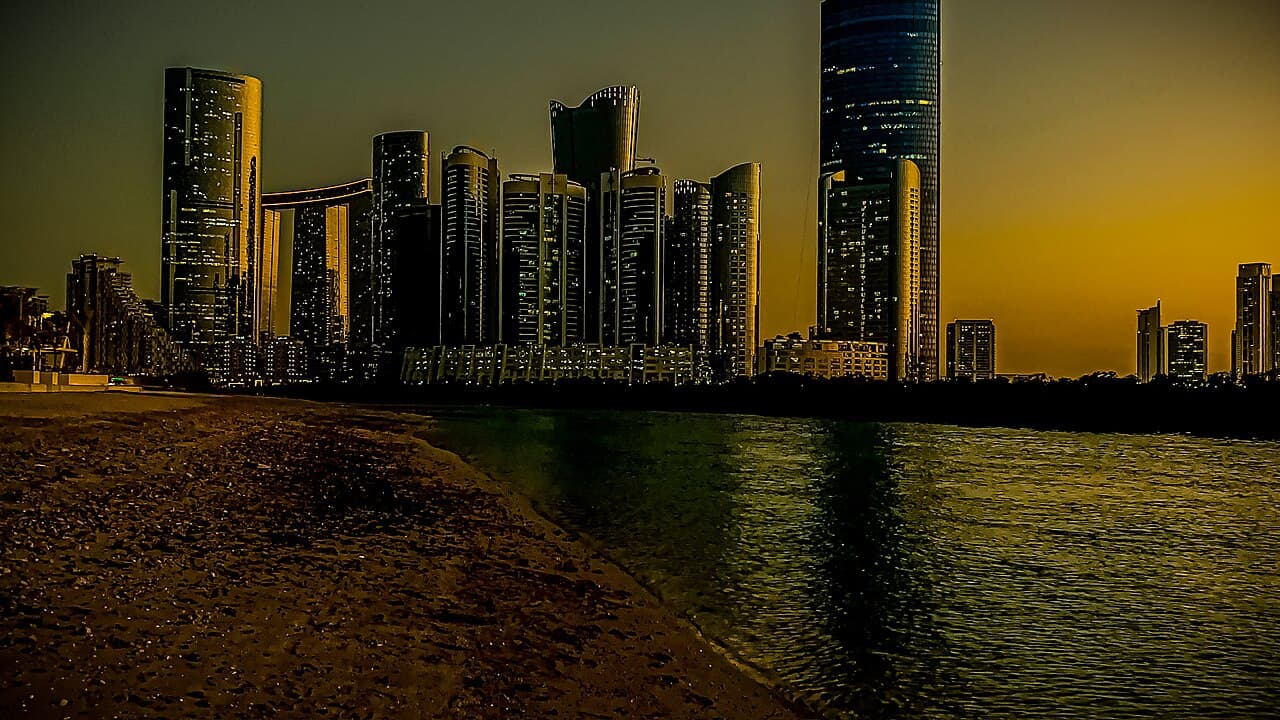
Dubai Waterfront is easily lost in the shadow of Palm Jebel Ali. Yet it was a separate, much wider ambition, combining offshore development with a large mainland urban programme. OMA's Waterfront City proposal illustrates how far the thinking extended beyond beachfront villas: it imagined a substantial new urban centre.
The original wider vision stalled. Parts of the area, including Badrah and Veneto, belong to its development history, but they do not amount to the completion of the sweeping offshore plan.
Palm Jebel Ali restarting does not automatically restart Dubai Waterfront. The two are connected geographically and historically, not interchangeable. The compelling question is what future development will actually retain from that older vision. OMA’s archived project records the architectural ambition; this historical overview provides the broader project context.
The World: one outline, many separate projects
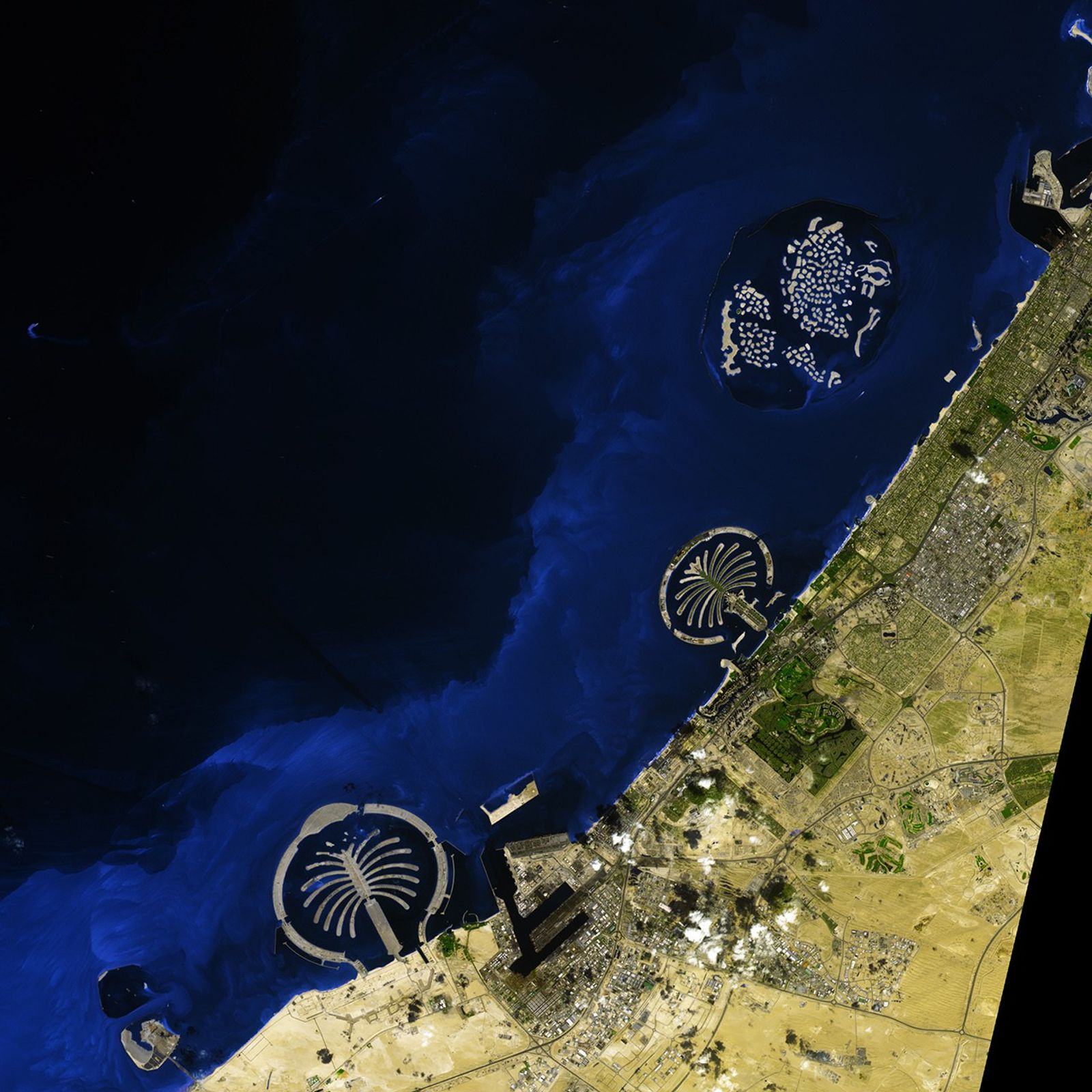
The World takes a different approach. Instead of one branching island connected to the city, its masterplan uses a collection of islands arranged as a world map. Woolpert's project account describes a 300-island concept.
That makes progress less straightforward to summarise. A resort can welcome guests while other islands remain at a different stage. Anantara World Islands Dubai Resort is one example of the destination visitors can experience, with access organised around an island stay rather than a normal urban drive.
The right question is not simply “Is The World finished?” It is “Which island, and which project?” A functioning resort does not mean the entire archipelago is developed, and unfinished islands do not mean there is nothing to visit. See the masterplan designer’s account and Anantara’s official resort website.
Is Dubai's biggest ambition coming back to life?
Yes, parts of it already are. But the second act is not a replay of the first. Palm Jumeirah provides the established reference. Palm Jebel Ali is being built under a new plan. Dubai Islands has evolved into a different configuration. The World develops through individual destinations, while Dubai Waterfront's original overall vision remains unfinished.
The most interesting story is not a contest between “success” and “failure”. It is how a city returns to an enormous idea, changes it and builds it over time. The silhouettes drew global attention. What happens inside them will define the next chapter.
For a day exploring Dubai's accessible waterfronts, a car can connect the mainland stops and Palm Jumeirah. Offshore resorts require their own transfers, and construction areas are not sightseeing routes. Compare rental cars on Mifto for the road-based part of the trip.
Research checked 13 September 2026. Sources are linked beside the relevant sections. Image dates and the distinction between photographs and project renderings are shown in the captions.