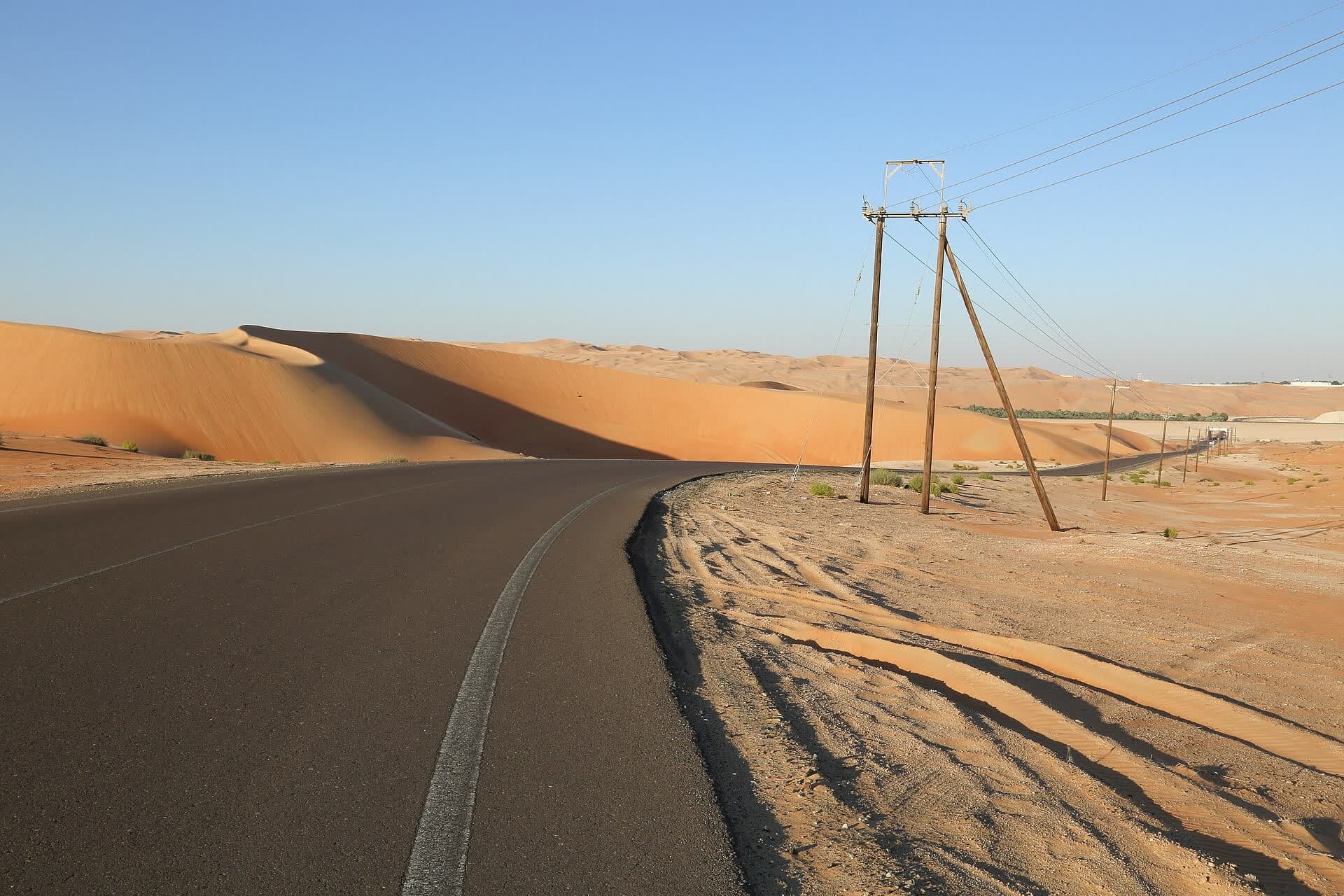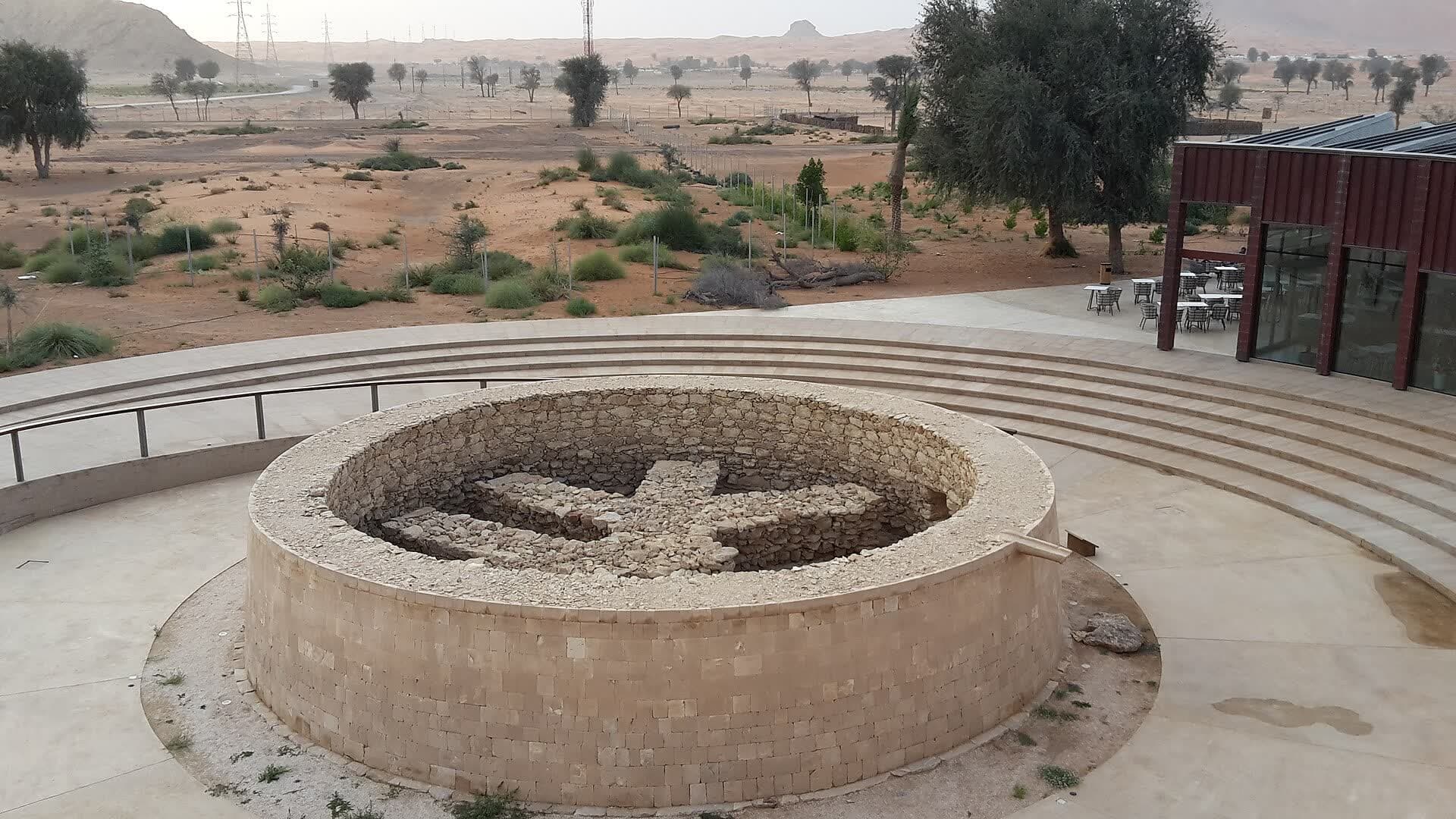
Mleiha is an archaeology and desert-landscape destination in Sharjah's Central Region. The Archaeological Centre introduces the area's history, while the circular Umm an-Nar tomb provides a striking outdoor focus. Guided landscape experiences offer another way to spend time here, separate from an ordinary visit to the centre.
A desert with a much longer story.
The desert around Mleiha is not simply a backdrop to an activity. Exhibits, stone structures and the surrounding ridges belong to a much longer account of life in the region. That makes this a particularly rewarding outing for visitors who enjoy a place more when they understand what they are looking at, rather than only collecting a photograph of it.
The centre and the circular tomb
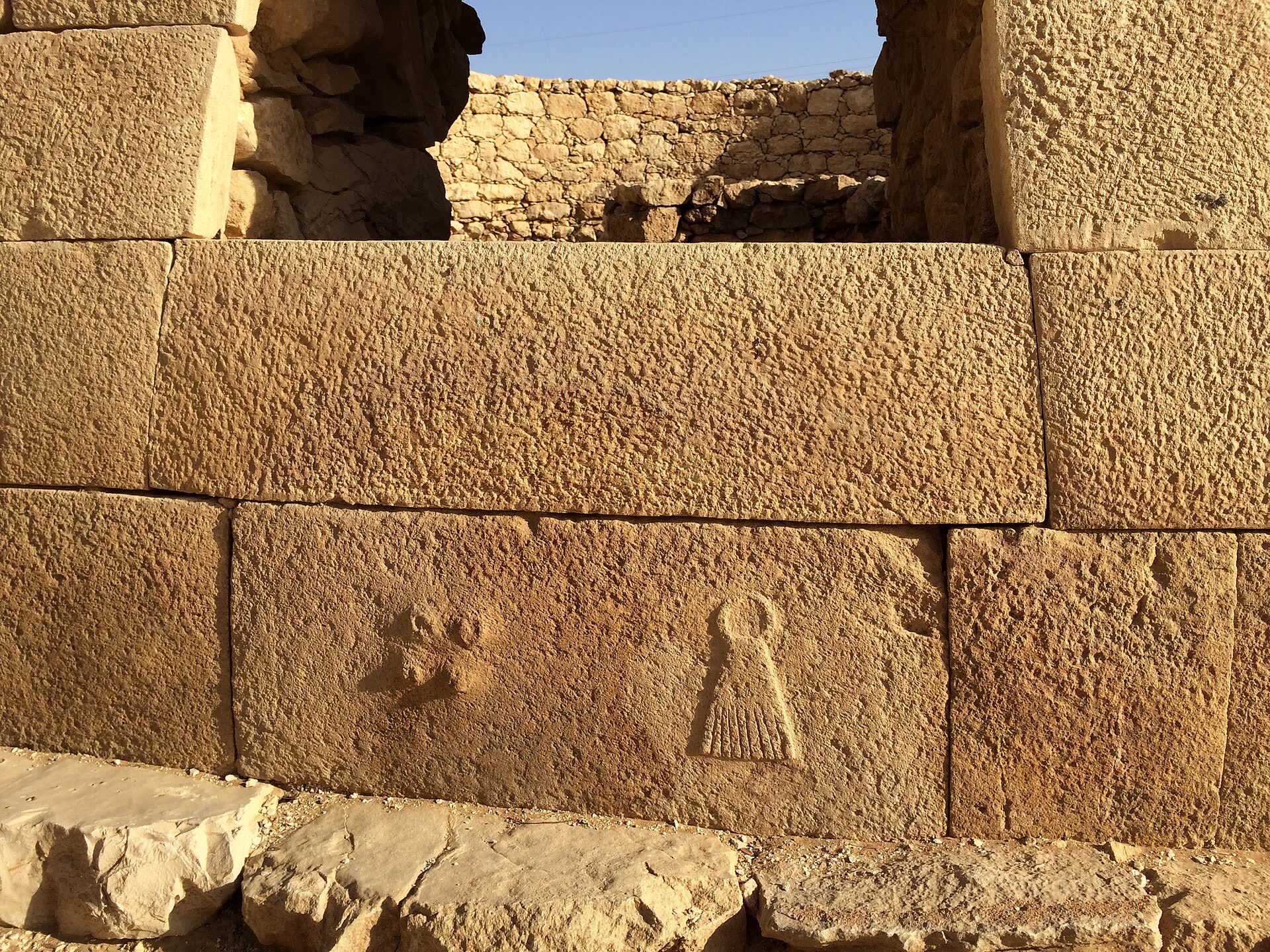
The Umm an-Nar tomb is a Bronze Age burial structure, not a fort or a modern landscape feature. Its circular form is one of the most recognisable sights associated with the Archaeological Centre. Exhibitions help connect what is visible on the ground with the people and periods represented by the archaeological finds.
Mleiha's appeal is the movement between interpretation and landscape. A visitor interested in history can spend time with the displays before seeing a site outside; someone drawn by the scenery gains a reason to look more closely at the stonework. A guided visit can make those connections more accessible than approaching an isolated archaeological marker without context.
Faya and the larger landscape
The Faya Palaeolandscape was inscribed on UNESCO's World Heritage List in 2025. Its significance concerns evidence of early human occupation and changing environmental conditions, rather than the appearance of a single monument. The UNESCO account provides the wider historical frame; the visitor centre gives a more immediate introduction to the area.
Fossil Rock is another landscape subject described by Visit Sharjah. The idea of marine fossils in what is now desert adds a different timescale to the outing. Outdoor excursions, archaeological visits and admission to the centre can have distinct arrangements, with routes and available programmes determined by the operator.
An outing for curious visitors
Mleiha suits a history-led day trip or a visit combining a museum-style introduction with one outdoor experience. It is not necessary to include every activity in the desert to make the journey worthwhile. Time with the exhibits, a tomb visit and a break between them can give the place more meaning than an overly full programme.
The practical distinction is between arriving at a managed visitor entrance and travelling into the surrounding archaeological landscape. Guided excursions have their own transport, access and suitability arrangements. Conservation boundaries protect the evidence that makes the area interesting; the visitor route is not an invitation to collect fossils or move pieces of stone.
A little more UAE in your inbox.
Weekend places. Neighbourhood notes. A closer look at what is changing.
Questions people ask
Where is Mleiha?
Mleiha is in Sharjah's Central Region, inland from the coastal cities. The Archaeological Centre is a more precise arrival destination than a general desert-area pin.
What is the circular structure beside the centre?
It is an Umm an-Nar tomb, a Bronze Age burial structure. The centre and guided interpretation explain its place in the area's archaeological history.
Is a desert excursion part of every visit?
No. The centre, site visits and outdoor activities can have separate admission and booking arrangements. The operator's current programme sets out the available choices.
Opening hours, prices and entry rules change. Confirm with the venue before you set off.