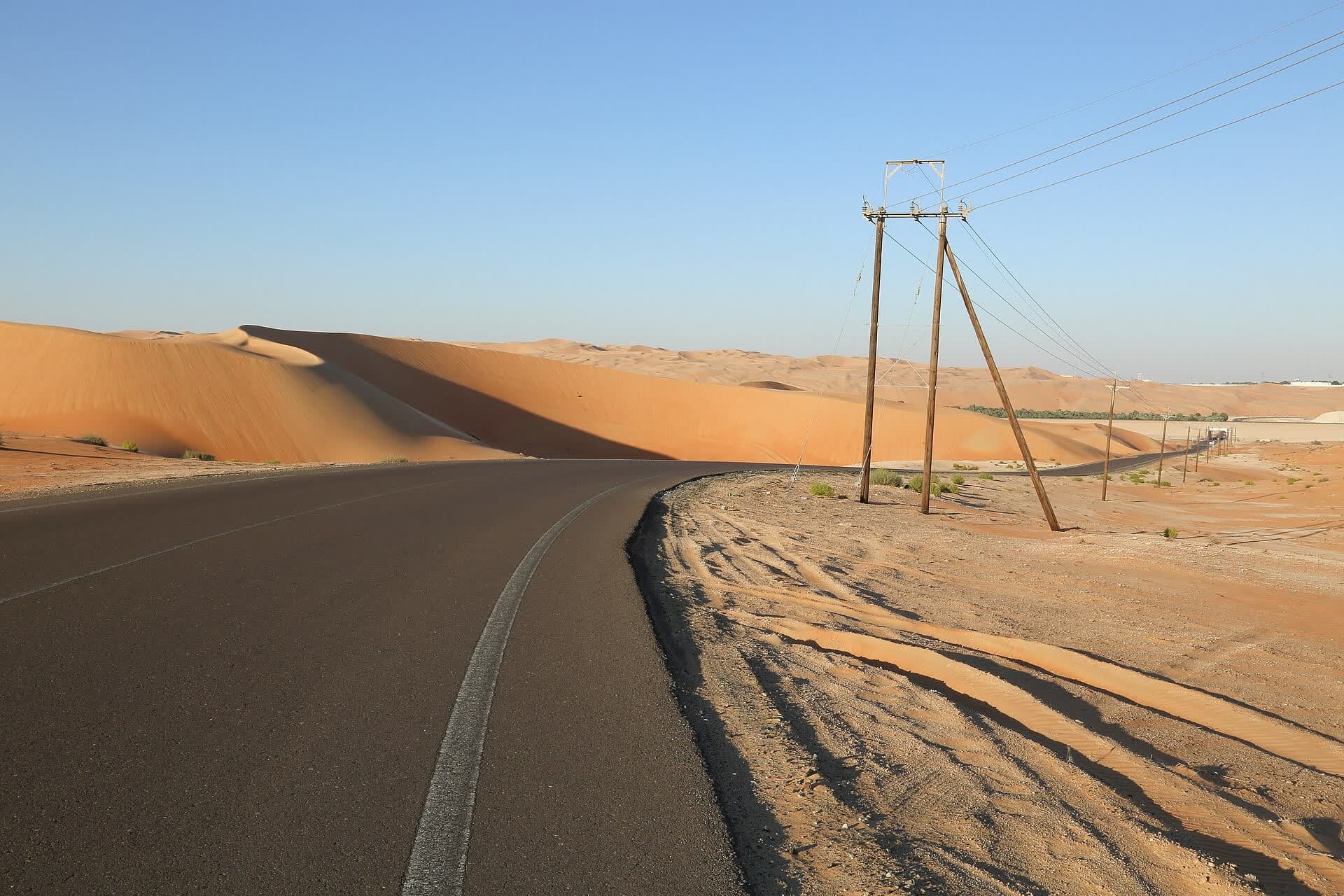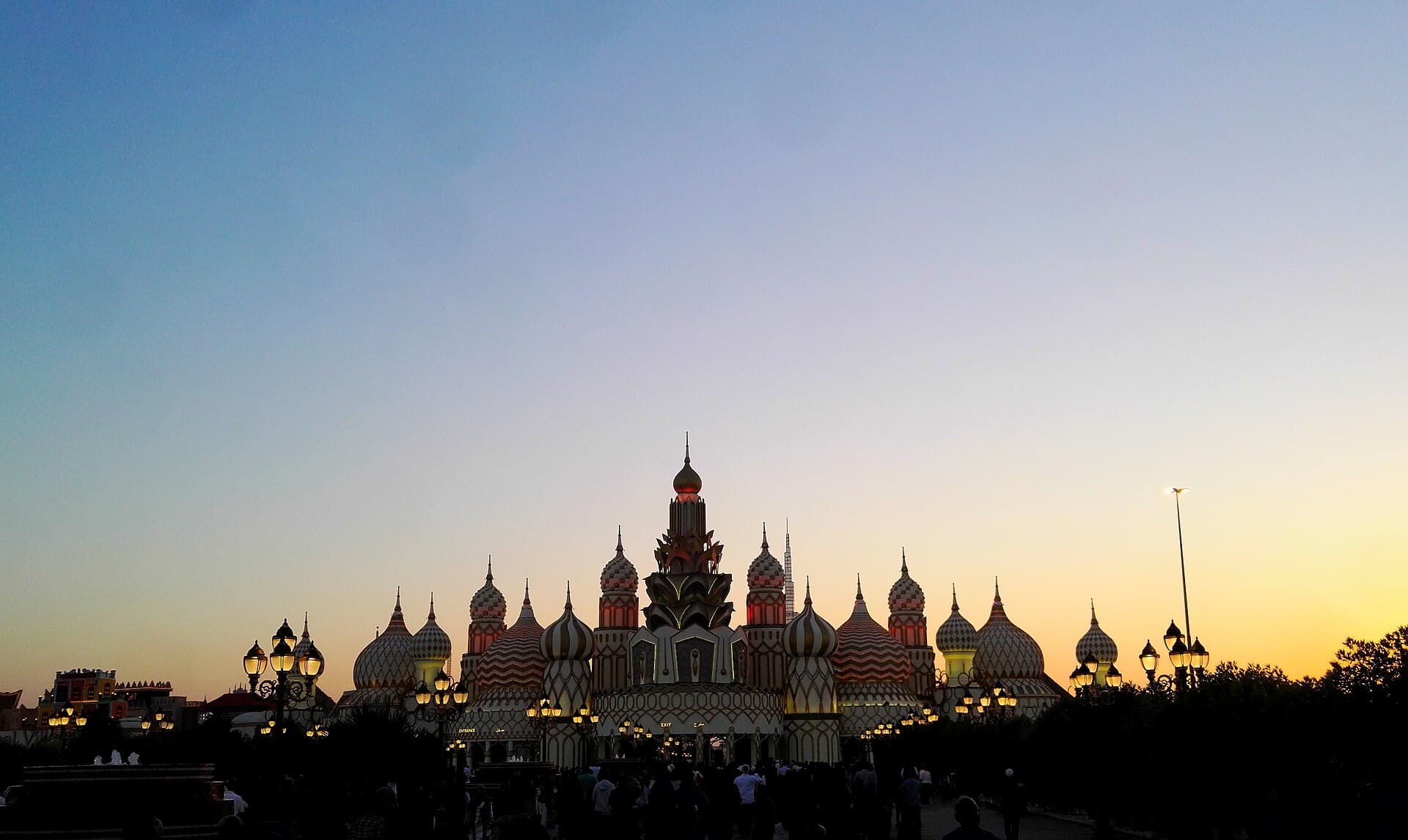
Al Ain is an inland city in the Emirate of Abu Dhabi, beside Oman. Known as the Garden City, it combines oases, UNESCO-listed cultural sites and Al Nahyan heritage with a modern urban life.
The Garden City, and the history that shaped a nation.
What is Al Ain?
Al Ain is an inland city in the Emirate of Abu Dhabi, beside the border with Oman. Its palm groves, forts and mountain landscape offer a different introduction to the UAE from the coast. The name means “the spring”, a fitting starting point for a city whose story revolves around water.
Known as the Garden City, Al Ain is both a living urban centre and a place to understand the country’s past. It is not another emirate, a district of Dubai or simply an attraction outside Abu Dhabi city. Give it a full day for an introduction, or a night to explore at a more comfortable pace.
The most rewarding visit connects three things: the oasis that supported settlement, the buildings associated with the Al Nahyan family, and the landscape around Jebel Hafit.
An oasis city with a much older history
Al Ain’s history extends far beyond the formation of the modern UAE. Archaeological evidence traces settlement in the region back to the Neolithic period. Bronze Age tombs and settlements, followed by Iron Age irrigation works, show how communities adapted to an environment where water shaped almost every decision.
In 2011, UNESCO inscribed the Cultural Sites of Al Ain. This is a collection of 17 components across Hafit, Hili, Bidaa Bint Saud and the oasis areas, rather than a designation covering every modern street. Together, they explain how cultivation, settlement and water management developed over thousands of years.
The aflaj irrigation systems are central to that story. Channels carried water to cultivated land, making the oasis a working landscape rather than decorative greenery. That relationship between water and daily life gives a walk among the palms historical meaning.
Al Ain and the Al Nahyan family
Al Ain is closely connected with Abu Dhabi’s ruling Al Nahyan family and the leadership of the UAE’s founding generation. Two rulers named Zayed are especially important to distinguish.
Sheikh Zayed bin Khalifa Al Nahyan, known as Zayed the First, ordered Al Jahili Fort’s construction in the 1890s. It served as a residence for members of the ruling family. The fort links the city to an earlier period of Abu Dhabi’s history, before the federation.
Sheikh Zayed bin Sultan Al Nahyan, the UAE’s founding father, became the Ruler’s Representative in Al Ain in 1946. Qasr Al Muwaiji became his home and administrative base. His son Sheikh Khalifa bin Zayed Al Nahyan, later the UAE’s second president, was born there in 1948.
These places make the family history tangible: courtyards, domestic spaces and rooms used for public affairs, rather than names encountered only on a timeline. Al Ain helps explain the setting in which Sheikh Zayed exercised leadership before becoming Ruler of Abu Dhabi in 1966.
Three historic buildings, three different stories
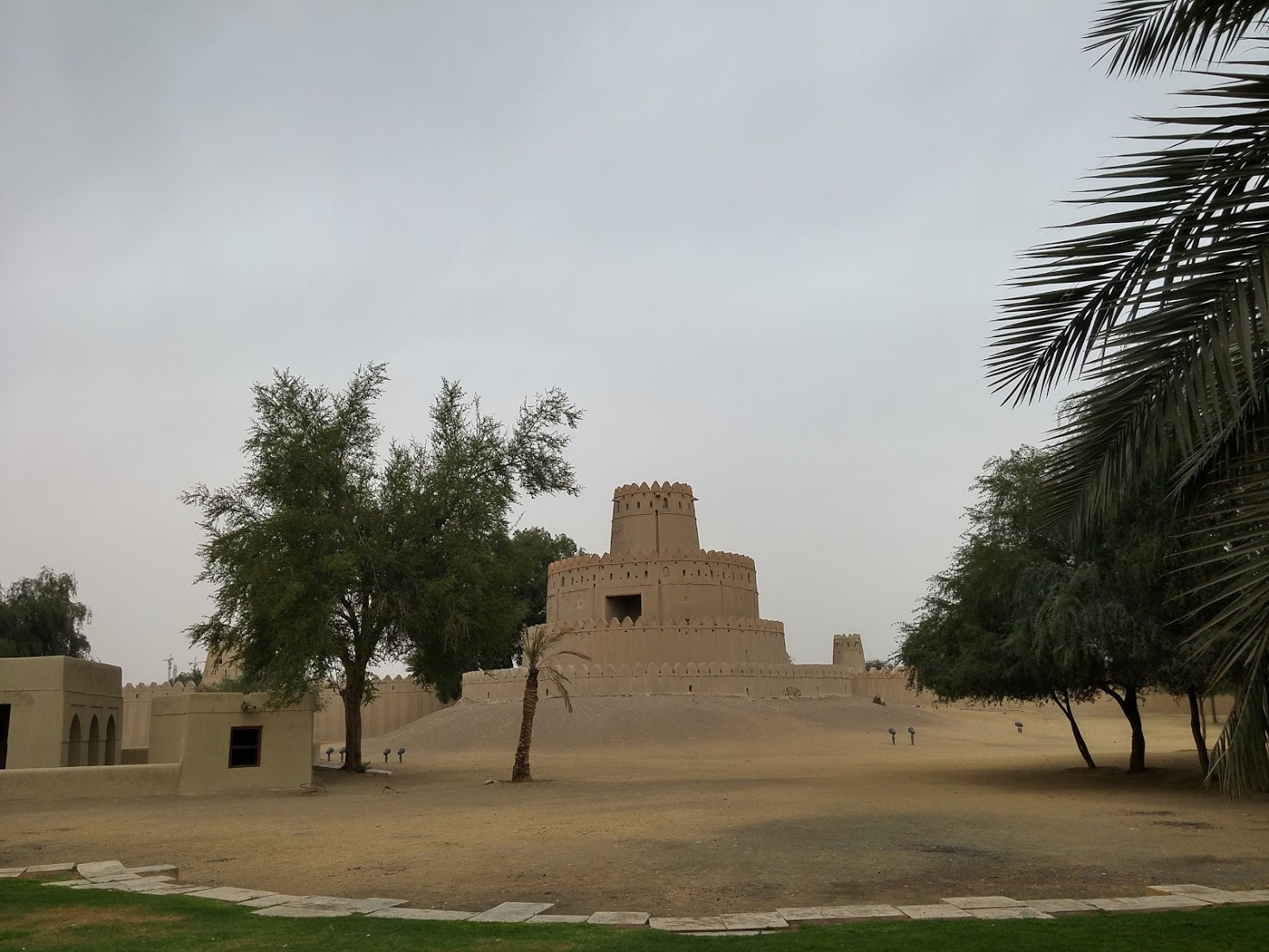
Al Jahili Fort is the clearest starting point for the architecture. Its towers and open courtyard make the defensive form easy to read. The official visitor guide also describes an exhibition about explorer Wilfred Thesiger and his journeys with Emirati and Omani companions.
Qasr Al Muwaiji focuses the visit on the ruling family, Sheikh Zayed’s years in Al Ain and Sheikh Khalifa’s early life. It is a separate site from Al Jahili, so allow time to travel between them rather than treating the names as interchangeable.
Al Ain Palace Museum, on the western edge of the oasis, occupies a palace dating to 1937 and associated with Sheikh Zayed’s family life. It adds a domestic perspective to the larger political story. Consult the official site for current visitor access before fixing this stop into the day.
Al Ain Oasis: the city beneath the palms
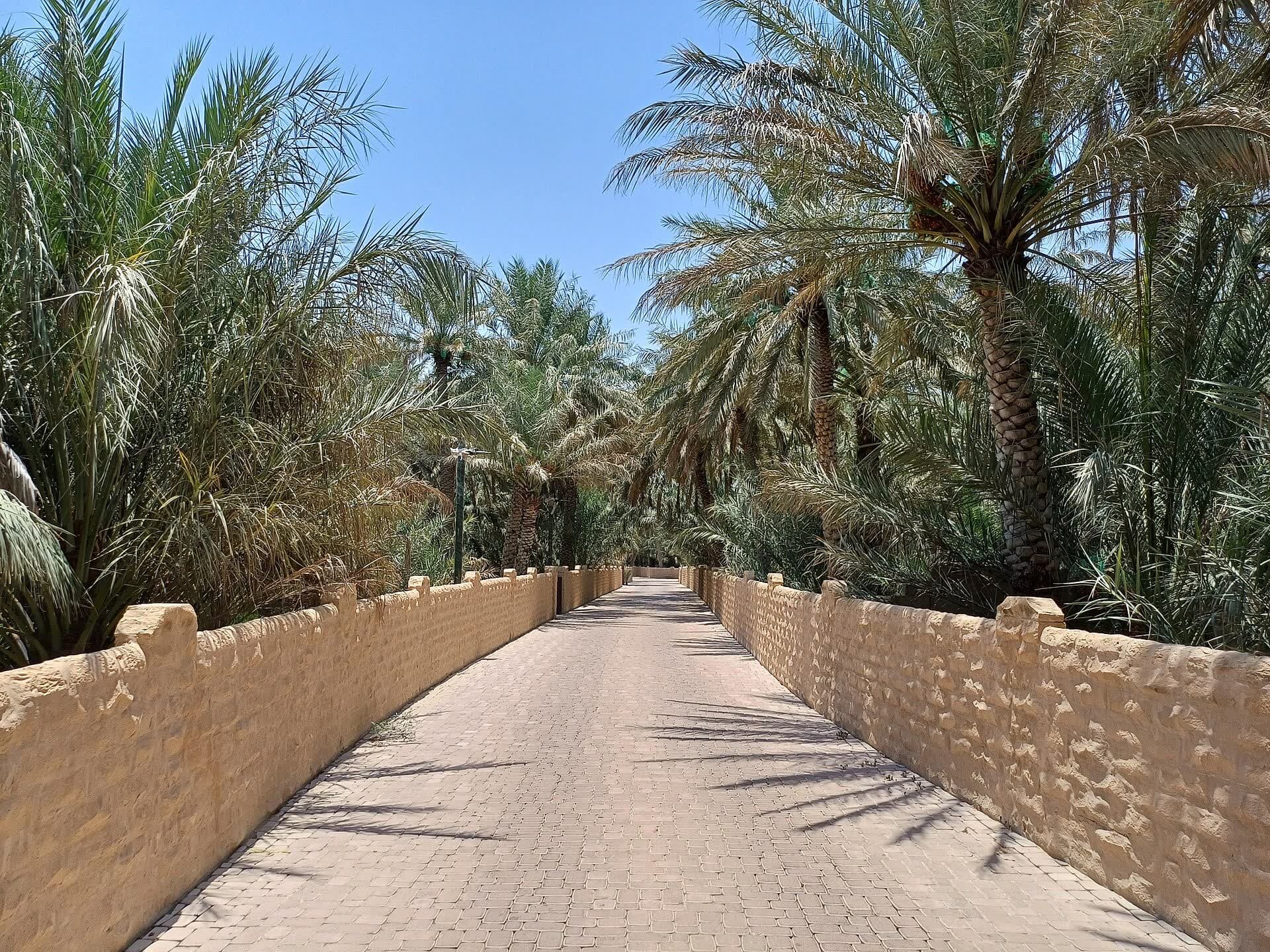
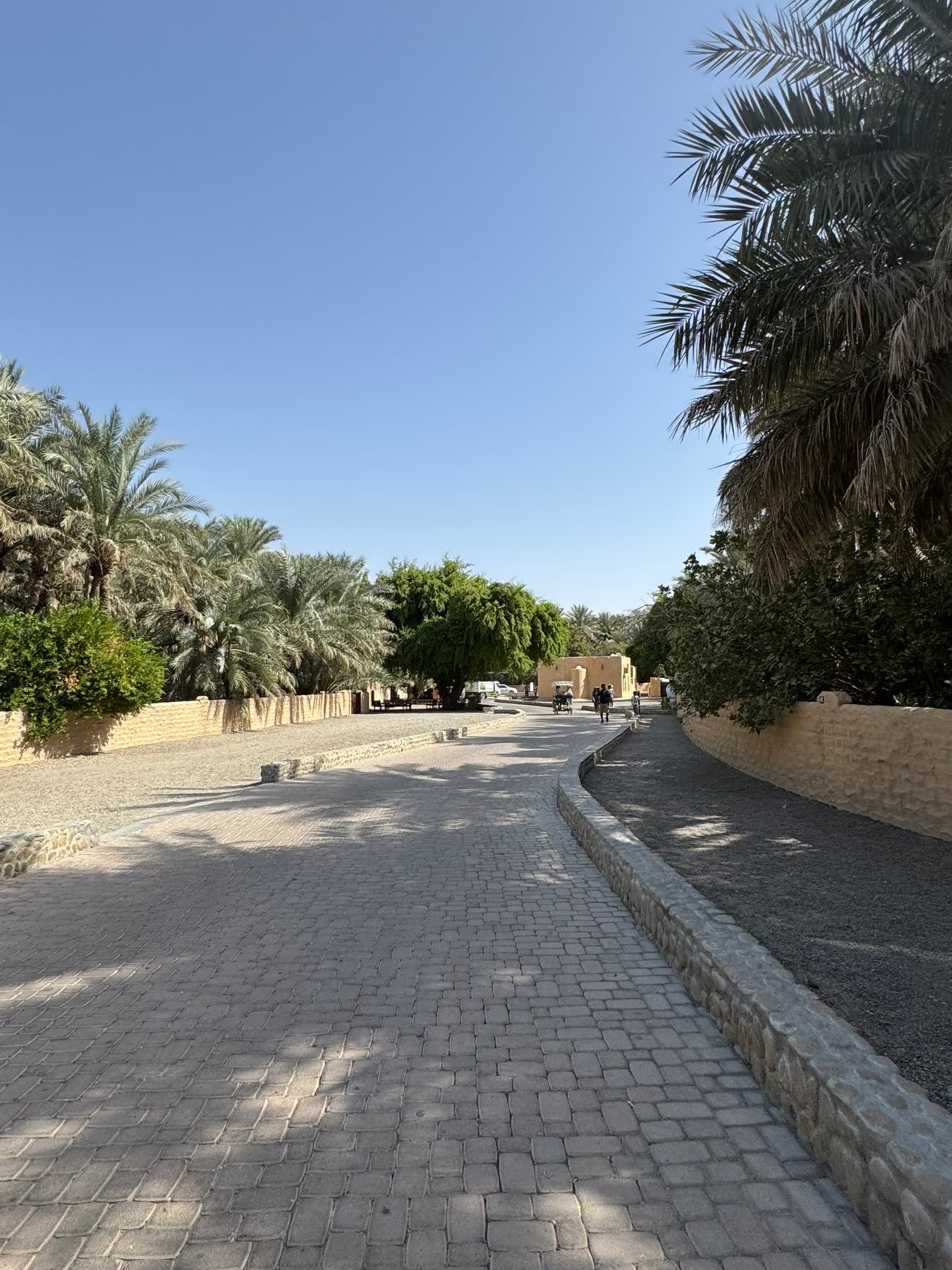
The oasis is the place to slow down. Shaded paths bring the scale of the date palms into view, while the irrigation channels explain how this green landscape works. It is a useful contrast to the open spaces of a fort: the city’s history appears through cultivation as well as architecture.
Visit early when planning a warm-weather day. Comfortable shoes, drinking water and time for a quiet walk matter more than a packed checklist. Our Al Ain Oasis guide looks more closely at the experience.
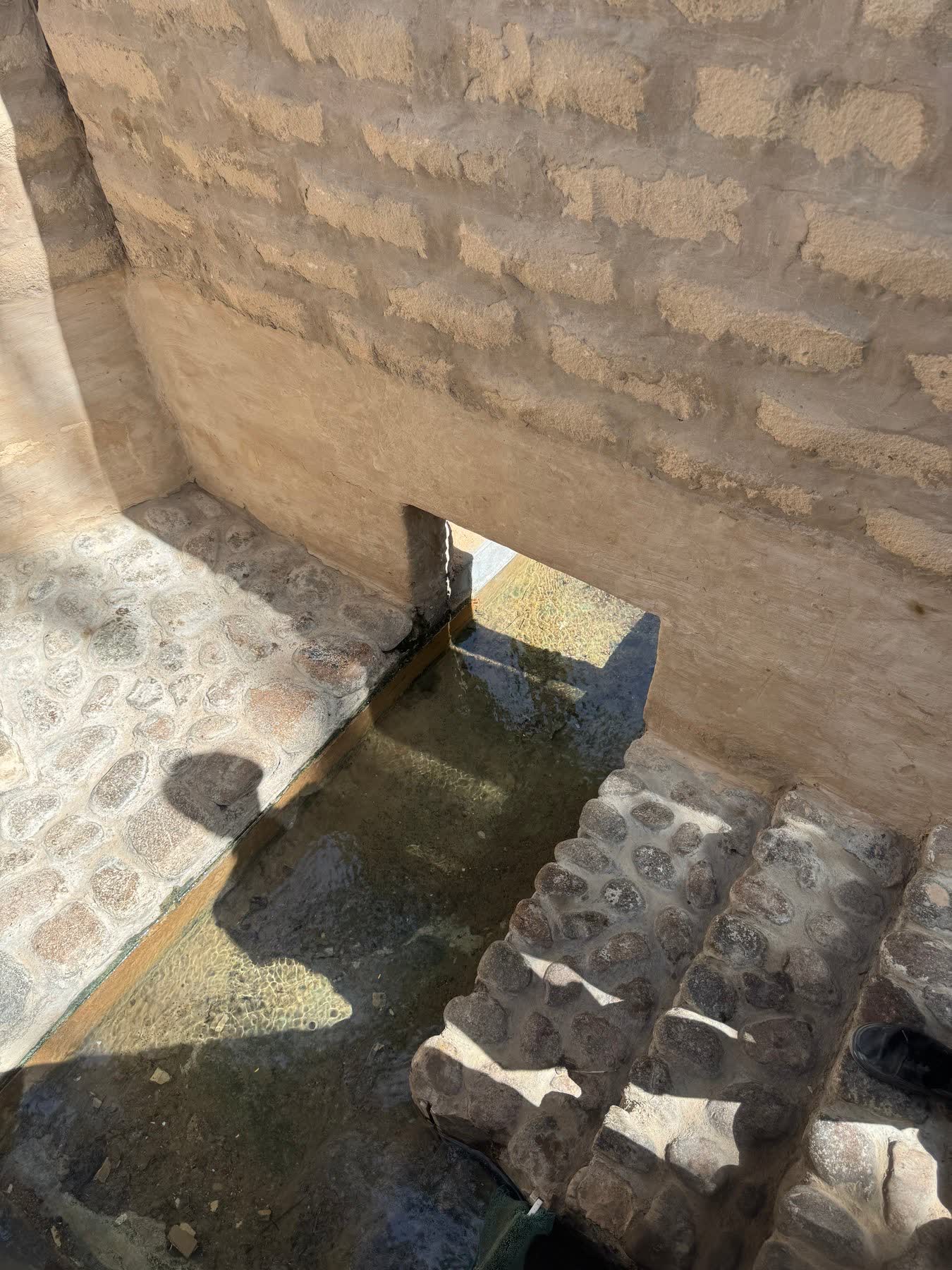
On my visit, the oasis felt wonderfully cool and comfortable beneath the trees. I could step a little beyond the main walkway and spend time among the palms. Their canopy screened out the direct sun, with irrigation water running through the grove. That combination of shade and water made this one of the most pleasant parts of exploring Al Ain.
Opening hours, entry costs and choosing your stops
Al Ain is a city, not a single ticketed attraction. Plan entry and opening times for each place separately. The oasis, Al Jahili Fort and Qasr Al Muwaiji tell connected stories, but they are distinct destinations; a visit to one does not cover the others.
For Al Ain Oasis, DCT lists daily opening hours of 9am–7pm. Check the official page again before travelling, especially around holidays. Experience Abu Dhabi describes the Eco-Centre as free to enter and lists bicycles and electric buggies as options for exploring; do not assume those rentals are included. Irrigation water is seasonal, so the flowing channels in my photographs are a record of my visit, not something every visitor is guaranteed to see.
Al Jahili Fort is a useful stop for a modest-budget heritage day: Experience Abu Dhabi lists its gardens and exhibition halls among free things to visit. Meals, transport and any optional activities still need their own budget. Check visitor access to Al Ain Palace Museum separately rather than assuming that every historic building mentioned in this story is open on the same schedule.
For a first visit, I would use the oasis as the anchor, then choose a fort according to the story that interests you: Al Jahili for its architecture and exploration exhibition, or Qasr Al Muwaiji for the Al Nahyan family history. Keep the mountain as an optional second part of the day, rather than sacrificing time beneath the palms to fit everything in. The official practical information in this section was checked on 16 September 2026.
Jebel Hafit and the wider landscape
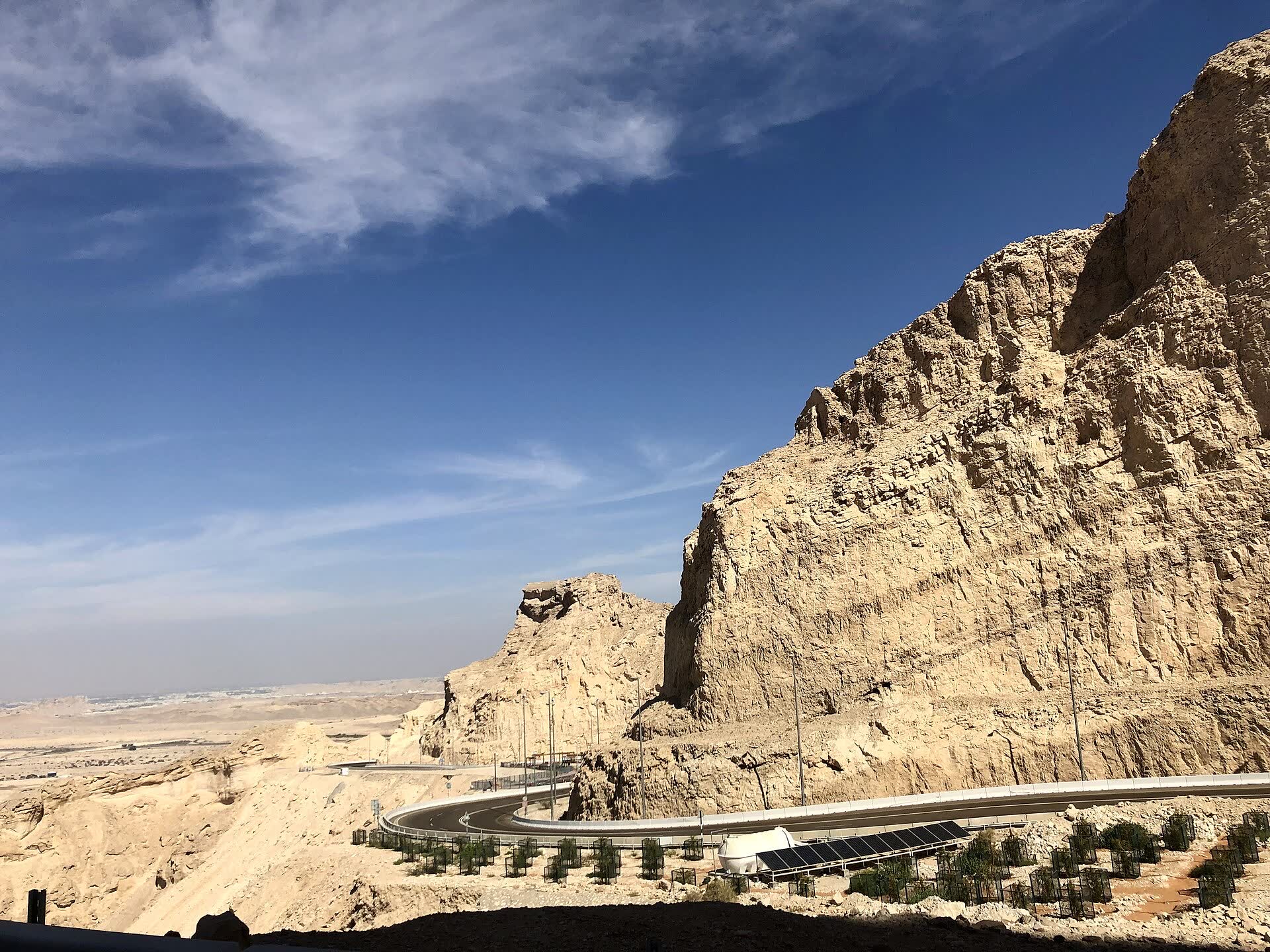
Jebel Hafit, also commonly written Jebel Hafeet, gives Al Ain a striking mountain backdrop. A mountain outing changes the scale of the visit: the city and oasis sit within a much larger arid landscape.
The mountain road, Green Mubazzarah and Jebel Hafit Desert Park are different stops. Green Mubazzarah lies at the foot of the mountain, while the desert park combines landscape and archaeological interest with outdoor activities. Each offers a different experience beyond a drive to a viewpoint.
For a first visit, the mountain works well as a second chapter after the city’s heritage sites. A longer stay leaves room for the desert park without rushing the oasis and forts.
Al Ain today: a city, not an open-air museum
Al Ain also has a modern educational identity. United Arab Emirates University, established in 1976, is based here. Students, working households and ordinary neighbourhood life belong in the city’s story alongside its heritage.
For someone considering living here, the useful questions are practical: the journey to work or campus, school access and the neighbourhood around the home. A sightseeing route cannot answer all of them. Spending an ordinary weekday in the city offers a different perspective from a weekend of landmark visits.
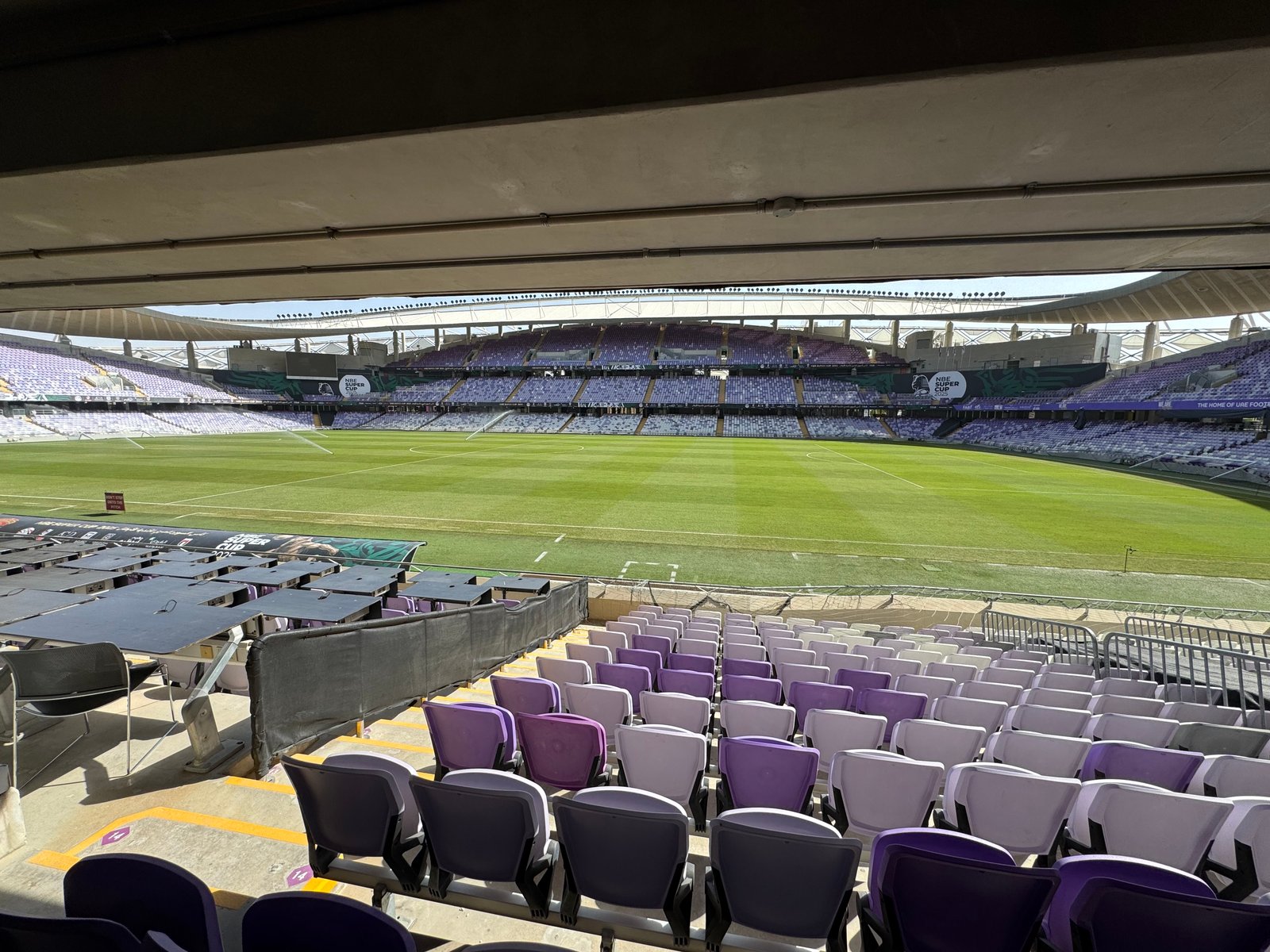
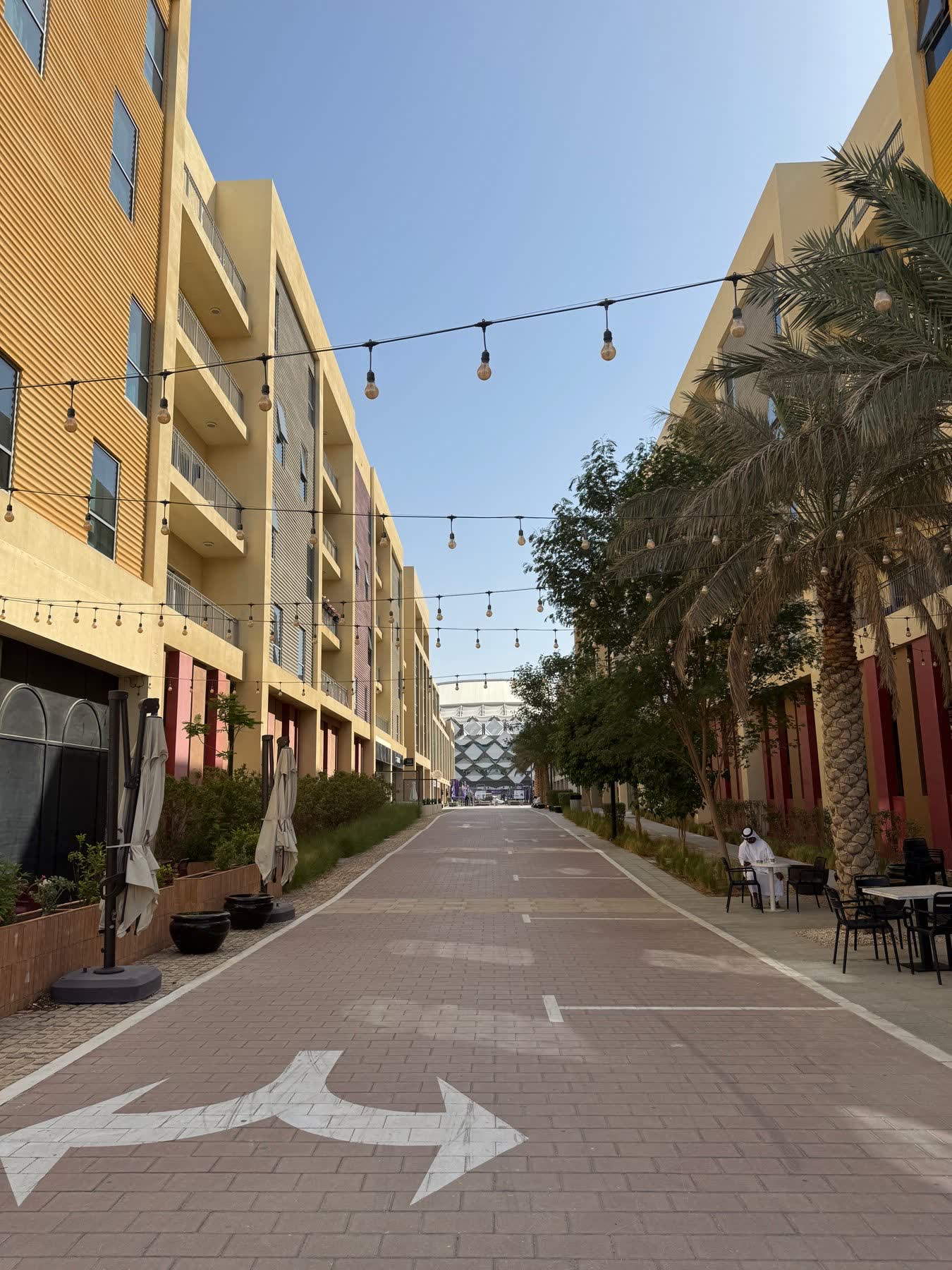
The stadium and the streets around it. The stadium impressed me with both its size and its striking design. Inside, the broad pitch and tiers of seating give it a real sense of scale. It brings a very different side of Al Ain into view after the oasis and historic buildings.
The surrounding neighbourhood was just as appealing. The streets were beautifully maintained, with plenty of cafés and restaurants that had a relaxed, inviting atmosphere. Palms, outdoor seating and the well-kept pedestrian spaces made it somewhere to spend time, not simply pass through on the way to the stadium.
I also noticed attractive apartment buildings nearby. For anyone curious about living in Al Ain, this area adds another picture of the city: contemporary apartments, places to eat and a pleasant neighbourhood setting alongside its better-known heritage.
How to plan a first visit
Start with the oasis, choose one or two historic buildings, then decide whether to add the mountain. That is a stronger first day than trying to include every major attraction. Lunch and travel between stops deserve time too.
Al Ain can be reached by road from Dubai or Abu Dhabi city. Plan around your actual starting point and destination rather than a single city-to-city estimate. The heritage sites and mountain stops are spread out; walking works within individual places, not as the only way to cover the entire itinerary.
The cooler part of the year is generally more comfortable for outdoor exploration. In hot weather, favour early outdoor stops and indoor breaks. Staying overnight makes it easier to separate a heritage day from a mountain outing.
For a history-led day, follow the story rather than a list of pins: begin with the oasis and its irrigation, then Al Jahili for the earlier ruling-family history or Qasr Al Muwaiji for Sheikh Zayed's years here. Keep lunch between visits instead of treating it as spare time. This route is an editorial suggestion, not a guided tour or a combined admission package.
An overnight visit can separate the city from the mountain. Give the second day to Jebel Hafit's landscape if that is what draws you, while checking opening arrangements for any park or activity. A city-and-mountain rental enquiry should include both parts of the itinerary and the planned return time, so you can check mileage and vehicle terms before agreeing.
- DCT Abu Dhabi: Al Ain Oasis opening hours and visitor contact
- Experience Abu Dhabi: free access to Al Jahili gardens and exhibition halls
- Read our Al Ain Oasis guide for a closer look at the palm groves
- Read our Al Jahili Fort guide for more on the historic site
- Experience Abu Dhabi: city overview
- UNESCO: Cultural Sites of Al Ain
- Abu Dhabi Culture: Qasr Al Muwaiji
- Experience Abu Dhabi: Al Jahili Fort
- DCT Abu Dhabi: Al Ain Palace Museum
- Experience Abu Dhabi: Al Ain Oasis
- Experience Abu Dhabi: Jebel Hafit Desert Park
- Experience Abu Dhabi: Green Mubazzarah
- UAEU: university background
A little more UAE in your inbox.
Weekend places. Neighbourhood notes. A closer look at what is changing.
Questions people ask
Is Al Ain in Abu Dhabi or Dubai?
It is in the Emirate of Abu Dhabi, inland from Abu Dhabi city and next to Oman.
Why is Al Ain called the Garden City?
Its oases and palm-filled landscape distinguish it from the surrounding desert. Water and irrigation are fundamental to that identity.
What is Al Ain’s connection to Sheikh Zayed?
Sheikh Zayed bin Sultan Al Nahyan became the Ruler’s Representative there in 1946. Qasr Al Muwaiji and Al Ain Palace preserve important parts of his family and public life.
Is one day enough?
A day gives a good introduction to the oasis and key historic sites. Stay overnight for more time in the mountain landscape.
Opening hours, prices and entry rules change. Confirm with the venue before you set off.