Sharjah Collection is Shurooq's portfolio of seven retreats across the emirate of Sharjah, including desert stays, restored heritage houses and coastal accommodation. It is not one resort or a group confined to Sharjah city.
At Najd Al Meqsar, what struck me was the presence of something unmistakably man-made in an extraordinary natural landscape. Yet the buildings did not feel like intruders. There was human life within the terrain, not something fighting against it. It gave me the feeling of stepping a hundred years back in time.
That feeling is where I would begin explaining Sharjah Collection. The appeal is not simply escaping people to find untouched nature. Sometimes it is finding the traces of people who belonged there.
What is Sharjah Collection, exactly?
Sharjah Collection is a portfolio of retreats developed by Shurooq, the Sharjah Investment and Development Authority. Its seven properties stretch across the emirate: Al Badayer, Al Faya, Moon Retreat, Kingfisher, Najd Al Meqsar, Al Rayaheen and Nomad. This is not a single resort, and “Sharjah” does not mean every property is in Sharjah city.
In July 2026, Shurooq announced an agreement with Minor Hotels to manage and operate the portfolio, bringing an international hotel operator together with Shurooq's destination-development role.
The more interesting connection is geographical. Instead of choosing a hotel first and treating its surroundings as an excursion, here the landscape can be the reason for choosing the accommodation.
Old buildings, new buildings, and the difference that matters
“Heritage” can conceal several different things. A restored house has a previous life. A newly built retreat can borrow from traditional architecture without being historic. A dome or caravan introduces an obviously contemporary object into the landscape. These are different experiences, not interchangeable versions of authenticity.
My way into this collection is to ask: what was already here, and what has hospitality added? That question brings Najd Al Meqsar and Al Faya into a particularly interesting conversation. One presents a mountain settlement; the other reuses the ordinary infrastructure of twentieth-century life. The desert camps and coastal retreats tell different stories again.
Najd Al Meqsar: the mountain is not merely a view

This is the property that prompted my interest in the collection. Looking at the buildings against the terrain, I did not feel that nature ended where the architecture began. That relationship is what stayed with me, more than the idea of a hotel with an impressive backdrop.
The operator lists seven Kareen houses, with air-conditioning and modern bathrooms, plus Wishi restaurant. Staying here means choosing a small mountain property rather than a large resort with a long facilities list. Ask about steps, the route to your room and luggage assistance if mobility matters to your group.
Read my Najd Al Meqsar guide for the place itself. I would shortlist it for someone drawn to stone buildings and a sense of settlement in the mountains, not someone whose main requirement is a private pool.
Al Rayaheen: heritage at the scale of a house

Al Rayaheen Retreat brings restored heritage houses into a different setting, near the old souq in Khorfakkan. Its accommodation ranges from one-bedroom to four-bedroom houses, with living spaces and kitchenettes, and there is an all-day restaurant.
The distinction from Najd is useful: choose this for the idea of inhabiting a house and exploring a town, rather than withdrawing above it. For friends or a family travelling together, compare a multi-bedroom house against several separate hotel rooms. The total bill and how you spend time together may look quite different.
Check the specific house layout rather than assuming every unit has the same outlook or access. A heritage address can be the attraction, but it is not a substitute for knowing where everyone will sleep.
Al Faya: a clinic and grocery store, not an invented past

Al Faya has perhaps the most revealing backstory. ANARCHITECT's project account describes two stone buildings from the 1960s, formerly a clinic and grocery store, adapted into a lodge and restaurant. A spa was added. New Corten steel interventions deliberately contrast with the original fabric.
That matters because fitting a landscape does not require pretending that everything is old. The new work can be recognisably new while allowing the previous life of a building to remain legible. The history here is not only forts and rulers; it includes getting groceries and going to a clinic.
The current property page describes five compact rooms, skylights and a saltwater pool, with an option to book the whole retreat. However, a September 2026 announcement describes expansion to twenty rooms. Treat that as an announced project, not confirmation that twenty rooms are already available. Ask about current inventory, works and whether your booking is exclusive-use.
Al Badayer: a desert stay with more of the hotel around you

Al Badayer Retreat draws on caravanserai architecture. That is a design reference, not evidence that you are sleeping in a restored historic caravanserai. It combines conventional rooms with tent accommodation and restaurant dining.
The important booking distinction is a room versus a private-pool tent. A photograph of a tent and pool does not describe every category sold under the property's name. Select the accommodation type before comparing rates.
I would consider Al Badayer when the desert is the attraction but someone in the group still wants the familiarity of a hotel stay. It is a different proposition from making cooking outside part of the evening at Moon Retreat.
Moon Retreat: the evening includes making dinner

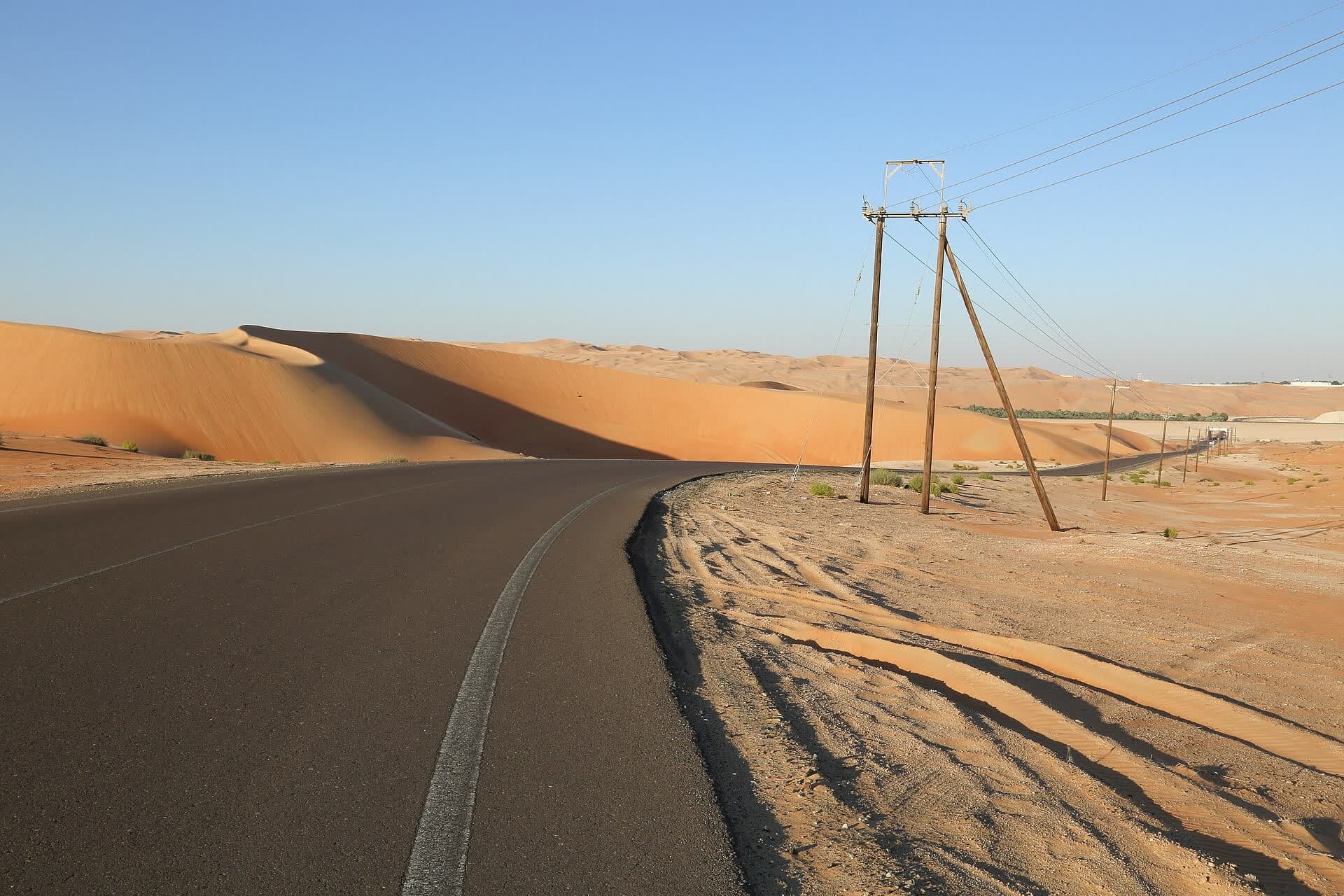
At Moon Retreat, domes and tents replace the vocabulary of stone houses. The setting is the Mleiha desert, but the accommodation is openly contemporary. Here, the attraction is less a previous human settlement than the possibility of spending time outside with a comfortable base.
The food arrangement is part of the choice. The operator describes terrace gas barbecues and meal bags delivered for guests to cook. Do not book expecting the same dining routine as a conventional resort restaurant.
There are pool and non-pool dome options, and the two-bedroom tent listing includes a private pool. Check your exact category. For a couple or family who enjoys making an evening of cooking together, this can be a reason to choose Moon, rather than a compromise to discover after arrival.
Kingfisher: a boat arrival changes the pace

Kingfisher Retreat is the coastal alternative, in Kalba, with a private-boat arrival and tent accommodation with private pools. The operator places it within an island and mangrove setting, a very different landscape from the inland dunes.
Do not assume every tent has the same sea outlook: the listings include mountain-view categories too. Choose the view as carefully as the pool. Before arrival, confirm the parking point, boat arrangements and the timing of transfers, especially if you expect to leave for meals or sightseeing.
The journey between car and room becomes part of the stay. I would choose it for someone who wants the coast to set the rhythm, rather than a hotel from which to make repeated quick trips around town. Wildlife belongs to the setting, but sightings are never something a booking can promise.
Nomad: an unmistakably modern object in the mountains

Nomad uses caravans in Kalba's mountain landscape. The listed comforts include air-conditioning, king-size beds and rain showers. This is accommodation at a retreat, not an offer to rent a camper and drive it around the UAE.
Its food arrangements deserve attention. The operator lists a food truck serving meals, prohibits outside food and asks guests to arrange barbecues through reception. Do not treat it like a campsite where you can bring anything and cook wherever you like.
Visually, Nomad provides a useful counterpoint to Najd. A caravan does not look as though it grew out of the rock. That need not make it wrong for the place, but it offers a different relationship with the landscape. Choose it for that difference, not for an imagined historic village experience.
Which retreat fits the trip you actually want?
- Mountain architecture and a sense of the past: start with Najd Al Meqsar.
- A heritage house for a group, with town exploration: look at Al Rayaheen.
- Adaptive reuse and architectural detail: investigate Al Faya, including its expansion status.
- Desert scenery with conventional hotel dining: compare Al Badayer's rooms and tents.
- A desert evening built around a barbecue: consider Moon Retreat.
- Coast, boat arrival and a private pool: look at Kingfisher.
- Caravan accommodation in a mountain setting: consider Nomad.
This is not a ranking. A private pool may matter more than architecture on one trip; space for grandparents and children may matter more on another. Start with the evening you want to have, then choose the room that makes it possible.
Prices: compare the booking, not the brand
There is no meaningful single “Sharjah Collection price”. A room, a multi-bedroom house and an exclusive-use retreat are different purchases. A low starting rate for a standard room tells you little about the cost of a private-pool tent on your travel dates.
For a useful comparison, enter the same dates and guest ages on the official property booking pages. Then compare the final total, meals, pool access, cancellation terms and number of bedrooms. With a group, divide the total by the number of people the selected unit actually permits, not its most optimistic possible occupancy.
Confirm seasonal operating dates before arranging the rest of a trip. For Al Faya, specifically ask about the announced expansion. For Moon and Nomad, establish how food works; for Kingfisher, establish how arrival works. These answers are more useful than an attractive headline rate.
Plan a landscape, not a seven-hotel circuit
The collection is spread across an emirate with very different geographical settings. Khorfakkan and Kalba are east-coast destinations; they are not parts of Sharjah city. Choose one base and leave space to enjoy it rather than attempting to collect every property in a weekend.
Najd Al Meqsar or Al Rayaheen can anchor a Khorfakkan trip. For Kingfisher or Nomad, build around Kalba instead. Al Faya and Moon point you towards Mleiha; Al Badayer makes the dunes the focus.
Use the property's exact arrival pin, ask where ordinary cars should park, and arrange any final transfer in advance. A desert address does not mean your hire car should leave the road. Nor does a mountain retreat automatically mean a four-wheel-drive vehicle is required: confirm the actual access instructions.
A tent is not proof of sustainability
“Eco” and “low impact” are attractive descriptions, but a photograph cannot establish water use, energy consumption or ecological performance. A private pool in a striking landscape is still a pool that needs operating. New construction still introduces an intervention, even when its colours blend beautifully with the ground.
Adaptive reuse gives us something more concrete to discuss: existing buildings have been given another function. It does not, on its own, prove that the entire operation is sustainable. I would keep the architectural observation separate from an environmental verdict.
For me, the most compelling question remains the one Najd raised: can a place accommodate people without making its landscape feel like leftover space around a hotel? That is what makes this collection worth looking at closely. The interest is not that all seven answer in the same way. It is that they give us different ways to ask.
The opening reflects my visit to Najd Al Meqsar. This is not a claim to have stayed overnight at all seven retreats. Accommodation and operational details were checked against the official property pages on 17 September 2026; architectural history comes from ANARCHITECT's project release. The comparisons and recommendations are editorial interpretation.